

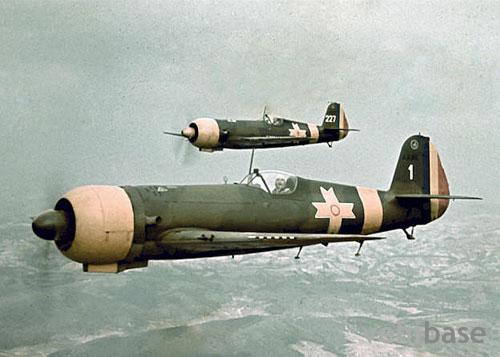
IAR 80
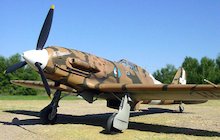
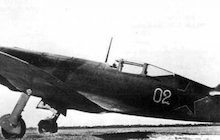
The IAR 80 was a Romanian World War II fighter aircraft developed during the late 1930s and early 1940s. It was powered by a 14-cylinder, air-cooled IAR K14-III C32 radial engine, allowing it to reach a top speed of approximately 323 miles per hour. The IAR 80 was designed for air superiority and aerial combat, serving as a significant asset for the Romanian Air Force during the war.
The IAR 80 was one of the first indigenous Romanian fighter aircraft and played a crucial role in defending Romanian airspace during World War II. It featured a sleek monoplane design and was well-regarded for its performance in combat. While it had limited production compared to some other World War II fighters, it was an important contribution to the Romanian military aviation effort.
Key Features
Pros
Cons
Frequently Asked Questions
What type of engine powered the IAR 80?
The IAR 80 was powered by a 14-cylinder, air-cooled IAR K14-III C32 radial engine, which provided it with the necessary speed and performance.
Is the IAR 80 still in use today?
No, the IAR 80 is no longer in active military service and is considered a historical aircraft that served during World War II.
What was the primary role of the IAR 80 during World War II?
The primary role of the IAR 80 was air superiority and aerial combat, defending Romanian airspace during the war.
How did the IAR 80 contribute to the Romanian aviation industry?
The IAR 80 was one of the first indigenous Romanian fighter aircraft, making a significant contribution to the country's aviation industry and military capabilities.
3 members saved it
.jpg)
Did you know?
The IAR 80, a Romanian fighter aircraft, played a vital role in protecting Romanian airspace during World War II.
It featured a sleek monoplane design and was one of the early successes of the Romanian aviation industry.
