

Messerschmitt Me 163
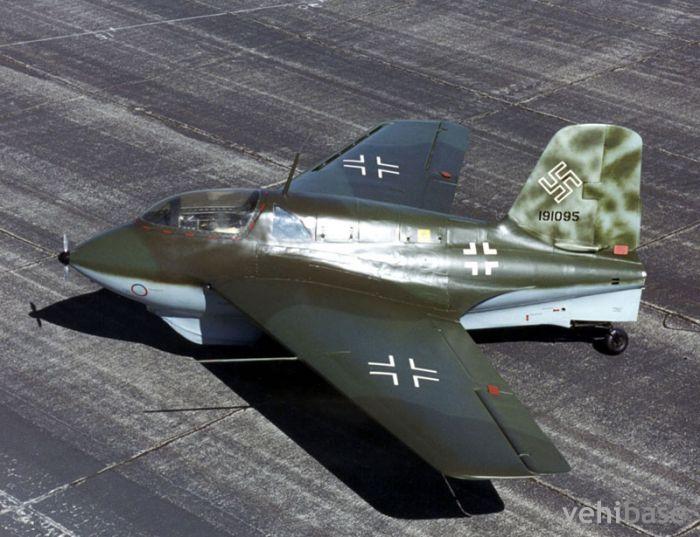
The Messerschmitt Me 163, known as the "Komet" (Comet) in German, was a unique and pioneering rocket-powered interceptor aircraft developed by Germany during World War II. It is widely recognized as the world's first operational rocket-powered fighter aircraft. The Me 163 was designed to rapidly climb to high altitudes and engage Allied bomber formations.
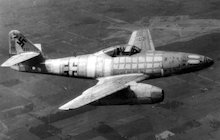
The Me 163 featured a radical design with a swept-back wing and a distinctive backward-sliding cockpit canopy. It was powered by a liquid-fueled rocket engine that provided extraordinary speed and climb rate. While the Me 163 was incredibly fast and had unparalleled rate of climb, it suffered from operational challenges, including limited fuel capacity and short combat endurance. Despite its limitations, the Me 163 remains a symbol of innovative aviation technology.
Key Features
Pros
Cons
Frequently Asked Questions
What was the primary mission profile of the Messerschmitt Me 163?
The Me 163 was designed as a rocket-powered interceptor aircraft for rapid altitude climb and engagement with Allied bomber formations.
What made the Me 163 unique in aviation history?
The Me 163 is recognized as the world's first operational rocket-powered fighter aircraft, featuring incredible speed and rate of climb.
Why did the Me 163 have limited combat endurance?
The Me 163 had limited fuel capacity due to its rocket propulsion system, resulting in a short combat endurance and a need for careful fuel management.
Is the Messerschmitt Me 163 preserved in museums or aviation collections today?
Examples of the Me 163 can be found in aviation museums and collections, serving as historical artifacts of pioneering rocket-powered aviation technology.
4 members saved it
Did you know?
The Messerschmitt Me 163, known as the "Komet," was the world's first operational rocket-powered fighter aircraft, symbolizing the innovative spirit of aviation technology during World War II.
Despite its operational challenges, including limited fuel capacity, the Me 163 achieved extraordinary speed and climb rates, leaving a lasting legacy in aviation history.
