

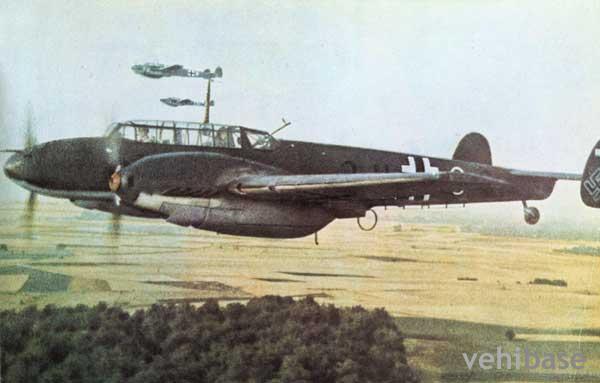
Messerschmitt Bf 110
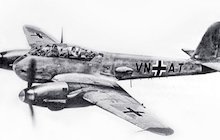
The Messerschmitt Bf 110, often referred to as the "Me 110" for short, was a twin-engine heavy fighter aircraft developed by Germany during World War II. It served a variety of roles, including bomber escort, ground attack, and night fighter. The Bf 110 was designed to provide long-range, multi-role capabilities and was initially intended to be a versatile fighter aircraft.
Featuring a twin-engine design, the Bf 110 was armed with a combination of machine guns, cannons, and bombs, making it capable of engaging both air and ground targets. It had a distinctive twin-fuselage configuration and a robust airframe. While it faced limitations in dogfights against more agile single-engine fighters, the Bf 110 excelled in roles such as bomber escort and night fighting, contributing to the German war effort.
Key Features
Pros
Cons
Frequently Asked Questions
What were the primary mission profiles of the Messerschmitt Bf 110?
The Bf 110 served various roles, including bomber escort, ground attack, and night fighter missions.
Why was the Bf 110 considered a versatile aircraft?
The Bf 110's twin-engine design and armament allowed it to engage both air and ground targets, making it suitable for multi-role capabilities.
How did the Bf 110 contribute to the German war effort?
The Bf 110 was effective in escorting and protecting German bombers during air raids, and it played a crucial role in the development of specialized night fighter versions to combat Allied nighttime bombing raids.
What advancements in aerial warfare favored single-engine fighters over twin-engine aircraft like the Bf 110?
The evolution of aerial warfare saw increased emphasis on agility and dogfighting, which favored more agile single-engine fighters over heavier twin-engine aircraft like the Bf 110.
Did you know?
The Messerschmitt Bf 110 was a versatile twin-engine heavy fighter that served various roles during World War II, from bomber escort to night fighting.
While it faced limitations in dogfights against more agile single-engine fighters, the Bf 110 excelled in missions such as protecting German bombers during air raids and contributed to the development of specialized night fighter versions.
