

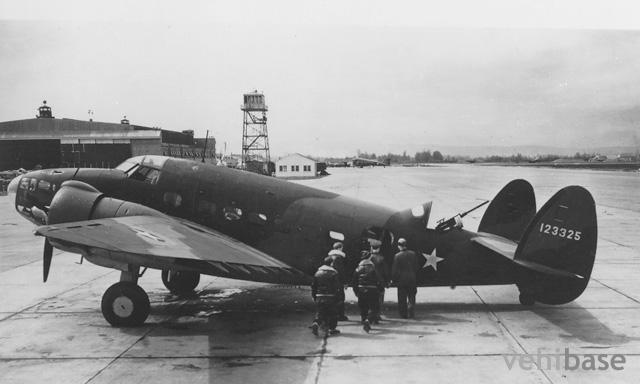
The Lockheed A-29 Hudson is a twin-engine light bomber and reconnaissance aircraft used by the Royal Air Force and other Allied air forces during World War II. It was primarily designed for light bombing and reconnaissance missions. The specific specifications may vary depending on the variant.
The Lockheed A-29 Hudson played a significant role in the early years of World War II and was used for various missions, including anti-submarine warfare and maritime patrol. It was known for its adaptability and contributions to Allied air operations.
Key Features
Pros
Cons
Frequently Asked Questions
What were the primary roles of the Lockheed A-29 Hudson?
The Lockheed A-29 Hudson primarily served as a twin-engine light bomber and reconnaissance aircraft, conducting light bombing, reconnaissance, anti-submarine warfare, and maritime patrol missions during World War II.
When was the Lockheed A-29 Hudson in active service?
The Lockheed A-29 Hudson was in active service during the early years of World War II and played a significant role in supporting Allied air operations.
Why is the Lockheed A-29 Hudson known for its adaptability?
The Lockheed A-29 Hudson is known for its adaptability because it was effective in various mission roles, making it a versatile asset for Allied air forces.
How did the Lockheed A-29 Hudson contribute to early World War II air operations?
The Lockheed A-29 Hudson contributed significantly to early World War II air operations by performing missions such as anti-submarine warfare and maritime patrol in support of naval operations.
2 members saved it
Related planes
Did you know?
The Lockheed A-29 Hudson's adaptability and versatility made it a valuable asset for early Allied air operations in World War II.
It was known for its contributions to missions such as anti-submarine warfare and maritime patrol in support of naval campaigns.
