

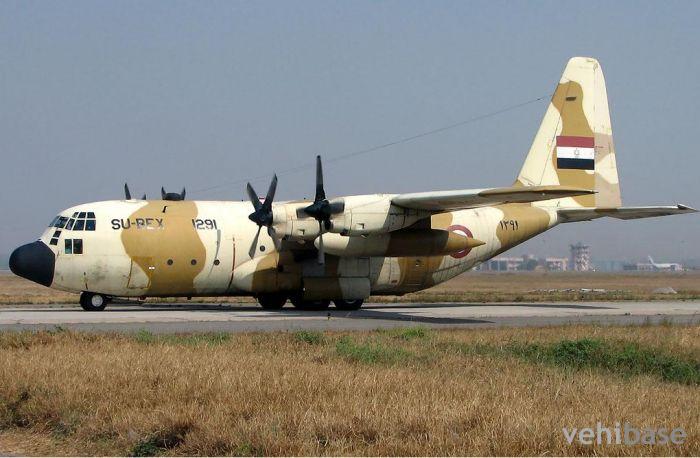
The Lockheed C-130H Hercules is a versatile and widely used military transport aircraft with a rich history of service. It is part of the C-130 Hercules family of aircraft, originally developed by Lockheed in the 1950s. The C-130H variant has been a vital component of military airlift capabilities for several decades, serving various roles in armed forces around the world.
The Lockheed C-130H Hercules is celebrated for its rugged design, which includes high-wing configuration and rear cargo ramp. This design allows it to carry a wide range of cargo, personnel, and equipment, making it adaptable to a variety of mission profiles. Its capabilities extend to tactical airlift, medical evacuation, and aerial refueling, among others.
Key Features
Pros
Cons
Frequently Asked Questions
When was the Lockheed C-130H Hercules developed?
The Lockheed C-130H Hercules is part of the C-130 Hercules family, which was originally developed by Lockheed in the 1950s.
What are the primary roles of the C-130H Hercules?
The C-130H Hercules serves various roles, including cargo transport, personnel transport, medical evacuation, and aerial refueling, making it a versatile military transport aircraft.
How has the C-130H Hercules contributed to military operations?
The C-130H Hercules has been a crucial asset in military airlift operations worldwide, providing reliable and adaptable transport capabilities for armed forces.
Is the Lockheed C-130H Hercules still in active service?
Yes, many countries still operate the Lockheed C-130H Hercules, although it may coexist with more modern military transport aircraft in their fleets.
Did you know?
The Lockheed C-130 Hercules family, including the C-130H variant, has one of the longest production runs of any military aircraft, a testament to its enduring relevance in military aviation.
The C-130H Hercules is known for its short takeoff and landing (STOL) capabilities, allowing it to operate from austere airfields, which is crucial in military and humanitarian missions.
