

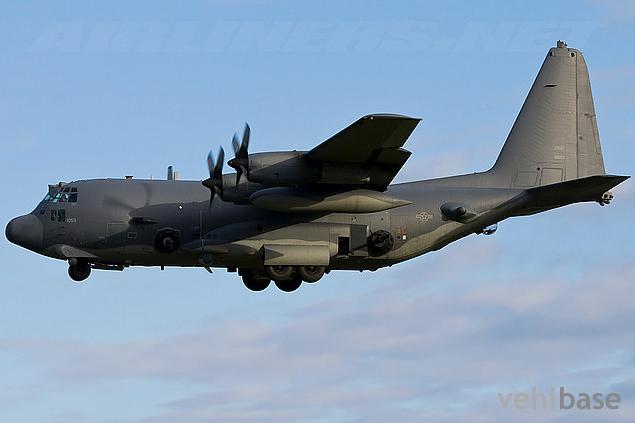
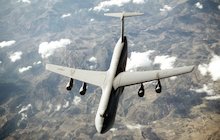
The Lockheed C-130, commonly known as the "Hercules," is a versatile military transport aircraft designed for a wide range of missions, including troop and cargo transport, medical evacuation, and aerial refueling. It is one of the most enduring and respected aircraft in military aviation history, known for its ruggedness and adaptability.
The C-130 features a large cargo bay that can accommodate a variety of military equipment, vehicles, and personnel. It is equipped with four turboprop engines, providing both reliability and excellent short takeoff and landing (STOL) capabilities, enabling it to operate from austere airfields and challenging environments.
Key Features
Pros
Cons
Frequently Asked Questions
What is the primary role of the Lockheed C-130?
The primary role of the Lockheed C-130 is military troop and cargo transport, as well as various other missions, including medical evacuation and aerial refueling.
How many troops or cargo can the C-130 accommodate?
The capacity of the C-130 varies depending on the specific variant, but it can typically carry up to 92 troops or various combinations of cargo and equipment.
What makes the C-130 well-suited for austere airfields?
The C-130's short takeoff and landing (STOL) capabilities allow it to operate from relatively short and unprepared airfields, making it versatile for military missions in challenging environments.
How long has the Lockheed C-130 been in service?
The Lockheed C-130 has been in service since the 1950s and continues to be used by many military forces around the world.
Did you know?
The C-130 Hercules has been extensively used by the United States military and numerous other nations, earning its reputation as a workhorse of the skies.
It has been deployed in a wide range of military operations, including humanitarian relief efforts and combat missions.
