


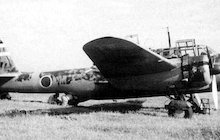
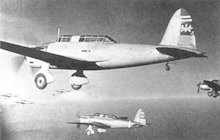
The Kawasaki Ki-48, also known as the Type 99 Twin-Engine Light Bomber, is a Japanese twin-engine light bomber aircraft that served during World War II. It was developed to meet the needs of the Imperial Japanese Army for a capable and versatile bomber aircraft. The Ki-48 represents a significant chapter in the history of Japanese military aviation.
With its twin-engine configuration and mid-wing design, the Kawasaki Ki-48 was used primarily for light bombing and reconnaissance missions. It was known for its adaptability and relatively high speed for a light bomber. The Ki-48 saw operational use in various theaters, including China and Southeast Asia, and played a role in the early years of the Pacific War. However, it faced challenges in terms of vulnerability to modern anti-aircraft defenses and enemy fighter aircraft.
Key Features
Pros
Cons
Frequently Asked Questions
What were the primary missions of the Kawasaki Ki-48?
The primary missions of the Kawasaki Ki-48 included light bombing and reconnaissance during World War II.
What is the historical significance of the Kawasaki Ki-48 in military aviation?
The Kawasaki Ki-48 is historically significant as a twin-engine light bomber used by the Imperial Japanese Army during the early years of World War II, contributing to the capabilities of Japanese ground forces.
Is the Kawasaki Ki-48 still in active military service with any nations?
The Kawasaki Ki-48 is no longer in active military service and had its operational history during World War II.
What is the legacy of the Kawasaki Ki-48 in the history of light bombers and reconnaissance aircraft?
The Ki-48 serves as a historical example of a versatile light bomber and reconnaissance aircraft used in the early years of World War II, with its own set of strengths and limitations.
Did you know?
The Kawasaki Ki-48 was known by the Allies as the "Lily."
It played a role in various theaters, including the early stages of the Pacific War, and was used by the Imperial Japanese Army Air Service.
