

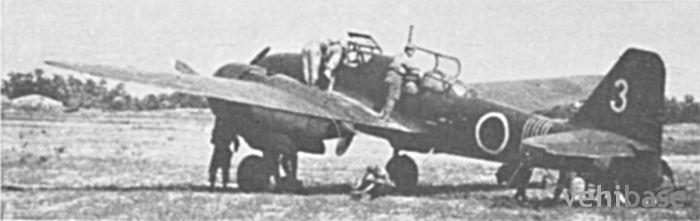
Kawasaki Ki-102
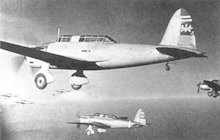
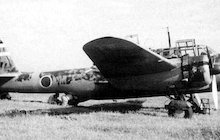
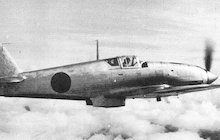
The Kawasaki Ki-102, known as the "Randy" in Allied code, was a twin-engine heavy fighter aircraft used by the Imperial Japanese Army Air Service during World War II. Developed in response to the need for a high-speed interceptor and bomber destroyer, the Ki-102 featured a distinctive twin-engine design and advanced armament.
Armed with a combination of machine guns, cannon armament, and other weapons, the Ki-102 was a formidable aircraft capable of engaging both air and ground targets. It was known for its speed, firepower, and the ability to intercept Allied bombers effectively. While the Ki-102 saw limited production and use, it played a crucial role in the defense of Japanese airspace during the later stages of the war.
Key Features
Pros
Cons
Frequently Asked Questions
What was the primary mission profile of the Kawasaki Ki-102?
The Ki-102 was designed as a high-speed interceptor and bomber destroyer, serving as a twin-engine heavy fighter.
How did the Ki-102 perform in air combat?
The Ki-102 was known for its formidable firepower and speed, making it effective in intercepting Allied bombers and engaging both air and ground targets.
Did the Ki-102 see widespread production and use in the Japanese military?
No, the Ki-102 saw limited production and use compared to some other Japanese aircraft, in part due to Japan's wartime industrial limitations.
What is the historical significance of the Ki-102 in Japanese aviation history?
The Ki-102 played a crucial role in the defense of Japanese airspace and represents an important chapter in the history of Japanese military aviation during World War II.
Did you know?
The Kawasaki Ki-102, known as the "Randy," was a twin-engine heavy fighter used by the Imperial Japanese Army Air Service during World War II, designed as a high-speed interceptor and bomber destroyer.
While it saw limited production and use, the Ki-102 was known for its formidable firepower and played a crucial role in the defense of Japanese airspace during the later stages of the war.
