

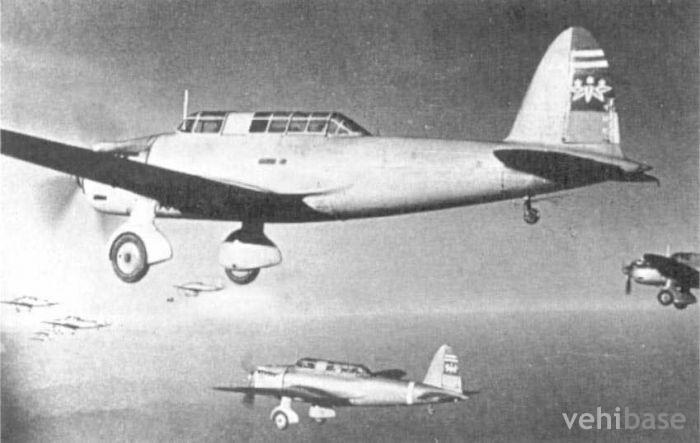
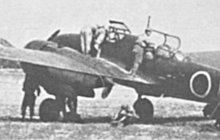
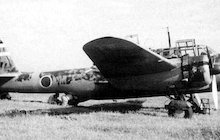
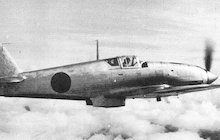
The Kawasaki Ki-32, also known as the Type 98 Single-Engine Light Bomber, is a Japanese light bomber aircraft that was used during the late 1930s and early 1940s. It was designed by the Kawasaki Aircraft Company and played a role in the early stages of World War II. The Ki-32 was known for its simplicity and reliability.
Featuring a single-engine design and a crew of two, the Kawasaki Ki-32 was used by the Imperial Japanese Army during its service. It saw action in various campaigns in China and Southeast Asia. The Ki-32 is no longer in active military service but is remembered for its contribution to Japanese aviation history during the early years of World War II.
Key Features
Pros
Cons
Frequently Asked Questions
What were the primary roles of the Kawasaki Ki-32 aircraft during its service?
The Kawasaki Ki-32 primarily served as a light bomber used by the Imperial Japanese Army during the late 1930s and early 1940s.
Is the Kawasaki Ki-32 still in active service today?
No, the Kawasaki Ki-32 is no longer in active military service. It was retired after World War II, and more modern bomber aircraft have replaced it.
Did the Ki-32 see action in notable campaigns during World War II?
Yes, the Kawasaki Ki-32 played a role in various campaigns in China and Southeast Asia during the early years of World War II.
What was the crew configuration of the Ki-32 aircraft?
The Kawasaki Ki-32 typically had a crew of two, including the pilot and gunner/bombardier.
Did you know?
The Kawasaki Ki-32 was a simple and reliable light bomber used by the Imperial Japanese Army during the early years of World War II.
It contributed to campaigns in China and Southeast Asia, showcasing its historical significance in Japanese aviation history.
