

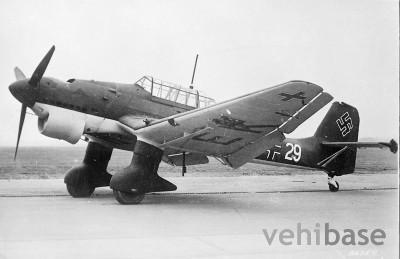
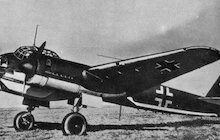
The Junkers Ju 87, commonly known as the "Stuka," is a historic German dive bomber and ground-attack aircraft used during World War II. It is known for its distinctive inverted gull wings, siren-equipped dive-bombing approach, and its role in close air support for ground forces. The aircraft was powered by a piston engine, and specific engine specifications may vary based on the model.
The Junkers Ju 87, particularly the Stuka variant, is highly regarded for its precision dive-bombing capabilities and its effectiveness in ground-attack missions. It played a significant role in supporting German ground forces by attacking enemy positions and vehicles. The aircraft is known for its intimidating siren, which created a psychological impact on the battlefield.
Key Features
Pros
Cons
Frequently Asked Questions
What was the primary role of the Junkers Ju 87 aircraft during World War II?
The primary role of the Junkers Ju 87, or Stuka, was to serve as a dive bomber and ground-attack aircraft, providing close air support to German ground forces during World War II.
Why is the Junkers Ju 87, especially the Stuka variant, well-known in military history?
The Junkers Ju 87, especially the Stuka variant, is well-known for its precision dive-bombing capabilities and its role in effectively attacking enemy positions and vehicles during the war.
What was the significance of the siren-equipped dive-bombing approach used by the Stuka?
The siren-equipped dive-bombing approach of the Stuka created a psychological impact on the battlefield by intimidating and disorienting enemy forces during attacks.
What are some challenges associated with preserving historic aircraft like the Junkers Ju 87?
Preserving historic aircraft like the Junkers Ju 87 comes with operational and maintenance costs, as well as the need for skilled personnel to ensure their continued display and public access.
Did you know?
The Junkers Ju 87, particularly the Stuka variant, is celebrated for its precision dive-bombing capabilities and the psychological impact it had on the battlefield during World War II.
While it is no longer in active service, it remains a symbol of the unique tactics and technologies used during the war.
