

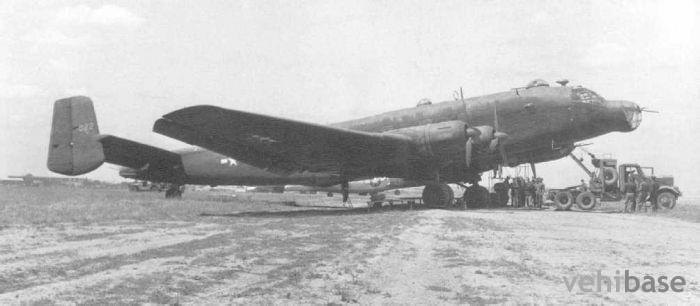
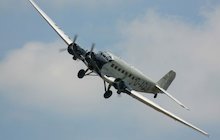
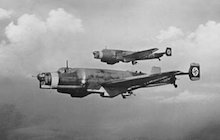
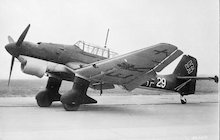
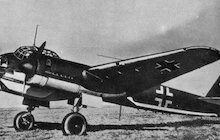
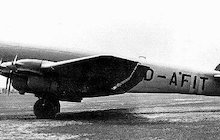
The Junkers Ju 290 is a German long-range transport and maritime patrol aircraft that was developed during World War II. It was designed by Junkers as a successor to the Ju 90, with the goal of providing a larger and more capable aircraft for transport and reconnaissance missions. The Ju 290 was known for its extended range and versatility.
Featuring a four-engine design, the Ju 290 was used for a variety of roles, including transport, maritime patrol, and long-range reconnaissance. It played a significant role in logistics and transport operations during the war, including the resupply of Axis forces in North Africa. The Junkers Ju 290 is no longer in active military service but is remembered for its contributions to German aviation during World War II.
Key Features
Pros
Cons
Frequently Asked Questions
What were the primary roles of the Junkers Ju 290 aircraft during World War II?
The Junkers Ju 290 served in various roles, including transport, maritime patrol, and long-range reconnaissance.
Is the Junkers Ju 290 still in active service today?
No, the Junkers Ju 290 is no longer in active military service, as it was retired after World War II, and more modern aircraft have replaced it.
What was the distinctive feature of the Ju 290's design?
The Junkers Ju 290 featured a four-engine design, providing extended range and versatility for its various roles.
How did the Ju 290 contribute to German aviation during World War II?
The Ju 290 played a significant role in logistics and transport operations, including the resupply of Axis forces in North Africa, and it remains historically significant in German aviation history.
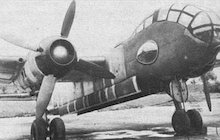
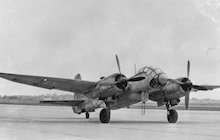
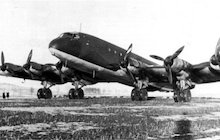
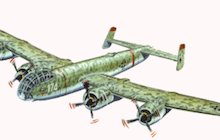
Did you know?
The Junkers Ju 290 was known for its adaptability, serving in diverse roles, from transport to long-range reconnaissance.
It played a crucial part in the logistics and resupply missions during World War II, supporting Axis forces in various theaters of operation.
