

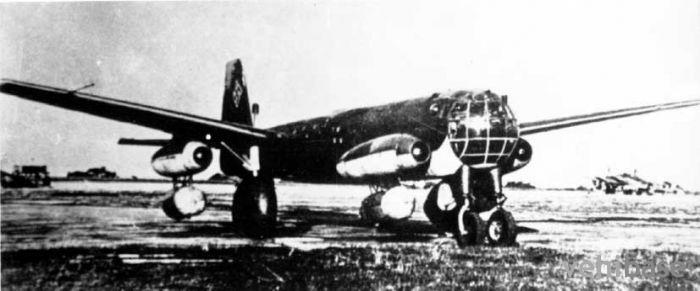
The Junkers Ju 287 is a German experimental jet-powered bomber aircraft developed during World War II. It was designed to explore the feasibility of jet propulsion in bomber aircraft. The Ju 287 showcased innovative design with its forward-swept wings, which was a unique feature at the time. While it did not enter production or active service, it played a significant role in advancing jet propulsion technology and bomber design concepts.
The Ju 287 holds historical significance as an experimental bomber that contributed to the development of jet propulsion technology and innovative design concepts. Despite its limited service, it remains a symbol of the pioneering efforts in jet-powered aviation during World War II.
Key Features
Pros
Cons
Frequently Asked Questions
What were the primary goals of the Junkers Ju 287 aircraft?
The primary goal of the Junkers Ju 287 was to test the feasibility of jet propulsion in bomber aircraft and explore innovative design concepts.
What is the historical significance of the Ju 287 in the context of aviation technology?
The Ju 287 is historically significant as an experimental bomber that contributed to the development of jet propulsion technology and innovative design concepts.
Did the Junkers Ju 287 enter production or active service?
No, the Junkers Ju 287 never entered production or active service; it remained an experimental aircraft.
What were some of the innovative design features of the Ju 287?
The Ju 287 featured forward-swept wings, a unique design feature that set it apart from other aircraft of its era.
Did you know?
The Junkers Ju 287 is celebrated for its role as an experimental bomber that tested jet propulsion technology and innovative design concepts, contributing to the advancement of aviation technology.
It reflects the pioneering efforts in jet-powered aviation during World War II and the quest for more advanced aircraft designs.
