

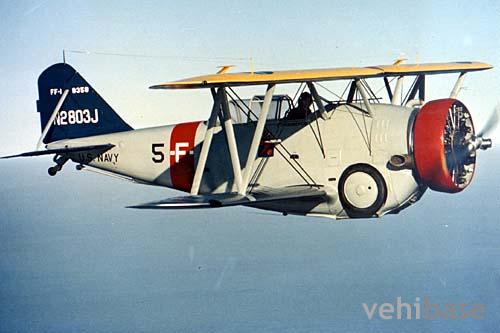
Grumman FF
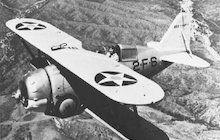
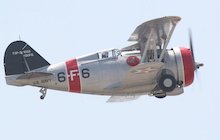
The Grumman FF was a historic biplane fighter aircraft that served in the United States Navy during the 1930s. It marked an important era in the evolution of naval aviation, providing the Navy with a capable fighter platform during a time when biplanes were prevalent. The FF was designed to operate from aircraft carriers and played a role in advancing carrier-based aviation tactics.
Powered by a radial engine and featuring a rugged construction, the Grumman FF was known for its durability and robustness, making it suitable for the challenging conditions of carrier operations. It was used for various roles, including air defense, reconnaissance, and training. While it has been retired from active service, the Grumman FF holds a significant place in the history of naval aviation.
Key Features
Pros
Cons
Frequently Asked Questions
What were the primary roles of the Grumman FF in the United States Navy?
The Grumman FF served in various roles, including air defense, reconnaissance, and training, contributing to the development of carrier-based naval aviation.
How did the Grumman FF contribute to the advancement of carrier-based aviation tactics?
The Grumman FF played a role in advancing carrier-based aviation tactics during the era when biplanes were prevalent in naval aviation.
Is the Grumman FF still in active service today?
No, the Grumman FF is a historical aircraft and has been retired from active service for many years. It remains an important part of the early history of naval aviation.
What are some notable aspects of the Grumman FF's design and technology?
The Grumman FF was known for its rugged construction and durability, making it suitable for the challenging conditions of carrier-based operations.
4 members saved it
Did you know?
The Grumman FF was one of the early naval aircraft developed by Grumman, which would go on to become a renowned manufacturer of carrier-based aircraft for the U.S. Navy.
It represented a significant era in the transition from biplanes to monoplanes in naval aviation and contributed to the development of carrier-based aviation tactics.
