

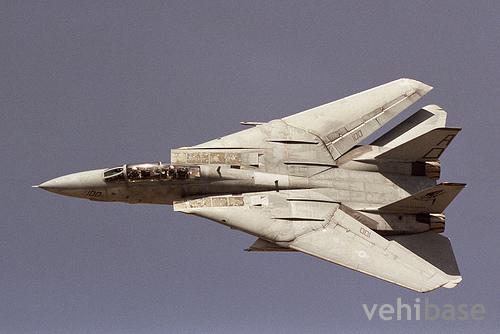
Grumman F-14 Tomcat
The Grumman F-14 Tomcat was a carrier-based supersonic fighter aircraft used by the United States Navy. It was powered by two General Electric F110-GE-400 turbofan engines, allowing it to achieve a top speed of approximately 2,485 kilometers per hour (1,544 miles per hour). The F-14 served as a versatile air superiority fighter and interceptor, playing a significant role in naval aviation during the latter half of the 20th century.
The Grumman F-14 Tomcat was known for its swing-wing design, which allowed it to excel in various mission profiles, from air-to-air combat to ground attack. It was equipped with advanced radar systems and a formidable arsenal of air-to-air missiles. The F-14 was a key element in the defense of carrier battle groups and was featured prominently in various conflicts and air shows.
Key Features
Pros
Cons
Frequently Asked Questions
What type of engines powered the Grumman F-14 Tomcat?
The F-14 was powered by two General Electric F110-GE-400 turbofan engines, which provided it with supersonic capabilities.
Is the Grumman F-14 Tomcat still in use today?
No, the F-14 Tomcat is no longer in active military service and is considered a historical aircraft with a legacy in naval aviation.
What were the key roles of the F-14 in naval aviation?
The F-14 served as a versatile air superiority fighter, interceptor, and defender of carrier battle groups, contributing to naval aviation's capabilities.
What was the significance of the swing-wing design of the F-14?
The swing-wing design allowed the F-14 to adapt to various mission profiles, making it a formidable aircraft in both air-to-air combat and ground attack roles.
2 members saved it
Did you know?
The Grumman F-14 Tomcat's iconic swing-wing design made it one of the most recognizable aircraft in naval aviation history.
It was featured prominently in movies, TV series, and air shows, contributing to its legendary status in popular culture.
