

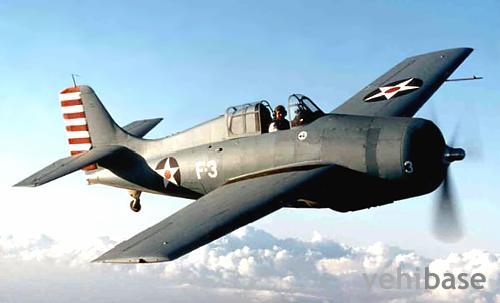
Grumman F-4F Wildcat
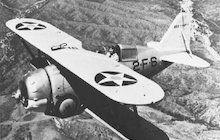
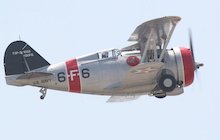
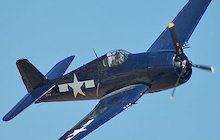
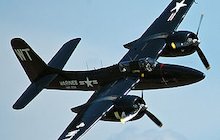
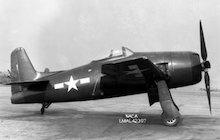
The Grumman F-4F Wildcat was a carrier-based fighter aircraft used by the United States Navy and Marine Corps during World War II. It was powered by a Pratt & Whitney R-1830 Twin Wasp radial engine, allowing it to achieve a top speed of approximately 512 kilometers per hour (318 miles per hour). The Wildcat played a crucial role in the early naval battles of the Pacific Theater and provided essential air cover for naval operations.
The Grumman F-4F Wildcat was known for its rugged and reliable design, making it a formidable opponent in air-to-air combat. It served as a versatile carrier-based fighter and was involved in key battles such as the Battle of Midway. The Wildcat's contributions to the war effort were significant, and it played a crucial role in protecting Allied shipping in the Pacific.
Key Features
Pros
Cons
Frequently Asked Questions
What type of engine powered the Grumman F-4F Wildcat?
The Wildcat was powered by a Pratt & Whitney R-1830 Twin Wasp radial engine, a common choice for radial engines during that era.
Is the Grumman F-4F Wildcat still in use today?
No, the F-4F Wildcat is no longer in active military service and is considered a historical aircraft from World War II.
What were the key battles in which the Wildcat was involved?
The Grumman F-4F Wildcat was involved in key battles, such as the Battle of Midway, where it played a significant role in protecting Allied shipping.
How did the Wildcat contribute to naval aviation during World War II?
The Wildcat provided essential air cover for naval operations, protected naval assets, and was a formidable opponent in air-to-air combat during the early years of World War II.
2 members saved it
Did you know?
The Grumman F-4F Wildcat's rugged and reliable design made it a beloved aircraft among its pilots and played a pivotal role in naval aviation history.
It was known for its ability to take significant damage and still return to the carrier, earning the nickname "The Iron Works."
