

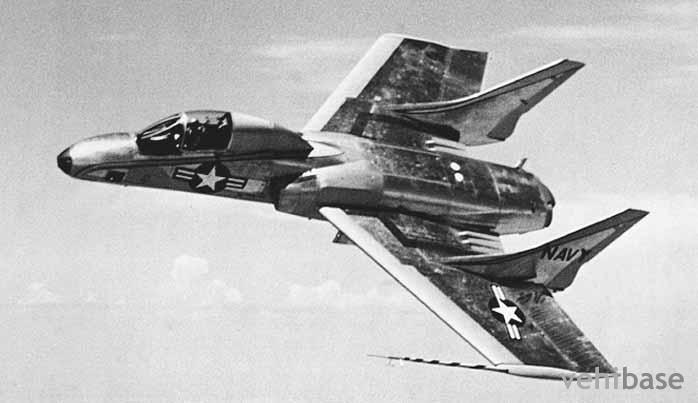
Vought F7U Cutlass
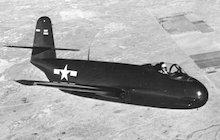
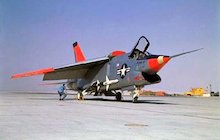
The Vought F7U Cutlass was a unique and unconventional carrier-based fighter aircraft developed in the 1950s for the United States Navy. It was powered by two afterburning jet engines and had a distinctive tailless, delta-wing design. The Cutlass had a top speed of approximately 680 miles per hour, making it one of the faster carrier-based aircraft of its time.
The Vought F7U Cutlass, while innovative in design, faced several challenges during its operational service. It had a reputation for being difficult to handle, and its maintenance requirements were relatively high. Despite its quirks, the Cutlass represented an interesting chapter in the history of carrier-based aviation.
Key Features
Pros
Cons
Frequently Asked Questions
What made the Vought F7U Cutlass's design unique?
The Vought F7U Cutlass featured a distinctive tailless, delta-wing design that set it apart from other carrier-based aircraft.
What was the top speed of the Vought F7U Cutlass?
The Vought F7U Cutlass had a top speed of approximately 680 miles per hour.
Did the Vought F7U Cutlass face any challenges during its service?
Yes, the Cutlass was known for handling challenges and relatively high maintenance requirements during its operational service.
Is the Vought F7U Cutlass still in use today?
No, the Vought F7U Cutlass is no longer in active military service and is considered a historical artifact in the development of carrier-based aircraft.
3 members saved it
Did you know?
The Vought F7U Cutlass was one of the first carrier-based aircraft to use afterburning engines, giving it impressive speed.
Its unique design and challenges in handling earned it a reputation as one of the more unconventional aircraft in naval aviation history.
