

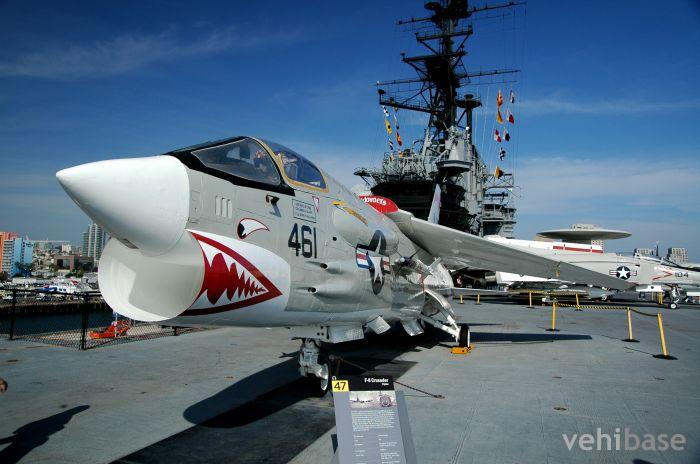
Vought F-8 Crusader
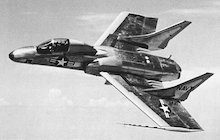
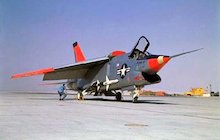
The Vought F-8 Crusader is an American carrier-based fighter aircraft that served as a key component of the United States Navy's air arsenal during the 20th century. It is renowned for its supersonic capabilities, advanced design, and exceptional performance. The F-8 Crusader was one of the first carrier-based aircraft capable of sustained supersonic flight, making it a pivotal part of naval aviation history.
The F-8 Crusader featured a distinctive variable-incidence wing that could be raised or lowered to optimize performance. It was armed with a combination of air-to-air missiles, machine guns, and cannons, giving it formidable firepower. The aircraft served in various roles, including air superiority, interception, and ground attack. Its speed and versatility made it a valuable asset for the U.S. Navy during the Cold War and the Vietnam War.
Key Features
Pros
Cons
Frequently Asked Questions
What made the Vought F-8 Crusader significant in naval aviation history?
The F-8 Crusader was significant for its supersonic capabilities and advanced design, playing a pivotal role in the U.S. Navy's naval aviation history.
What armament did the Vought F-8 Crusader typically carry?
The F-8 Crusader was typically armed with a combination of air-to-air missiles, machine guns, and cannons, providing it with formidable firepower.
Is the Vought F-8 Crusader still in active use with any nations or organizations?
The Vought F-8 Crusader is no longer in active military service, with operational use primarily limited to the 20th century.
What is the legacy of the Vought F-8 Crusader in naval aviation history?
The F-8 Crusader is remembered for its pioneering supersonic capabilities and its contributions to U.S. Navy's naval aviation history.
Did you know?
The F-8 Crusader was one of the first carrier-based aircraft capable of sustained supersonic flight, marking a significant milestone in naval aviation.
It served in various roles, including air superiority, interception, and ground attack, and was a formidable presence in naval aviation during the 20th century.
