

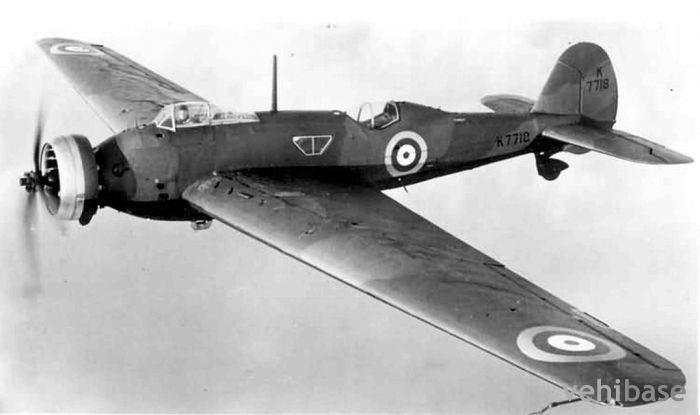
The Vickers Wellesley is a British medium bomber aircraft that was in service during the 1930s and early 1940s. It was known for its unconventional geodetic construction, which was a unique design approach at the time. The Wellesley was used by the Royal Air Force (RAF) and played a role in early World War II operations.
The geodetic design of the Wellesley, developed by Barnes Wallis, provided it with exceptional strength and durability. The aircraft was primarily used for medium-range bombing missions and served in various theaters of the war. While it is no longer in active service, the Vickers Wellesley is remembered for its innovative construction and its contribution to early aviation technology.
Key Features
Pros
Cons
Frequently Asked Questions
What was the distinctive feature of the Vickers Wellesley's design?
The Vickers Wellesley was known for its unconventional geodetic construction, which offered exceptional strength and durability.
Why is the Vickers Wellesley historically significant in aviation?
The Vickers Wellesley is historically significant for its pioneering geodetic design and its contribution to early World War II operations.
Is the Vickers Wellesley still in active service today?
No, the Vickers Wellesley is no longer in active service, as more modern bomber aircraft have replaced it in contemporary air forces.
How did the Wellesley contribute to early aviation technology?
The Wellesley contributed to early aviation technology with its innovative geodetic construction, which showcased unique design principles.
4 members saved it


Did you know?
The geodetic design of the Vickers Wellesley was later used in other notable aircraft, including the famous Avro Lancaster bomber.
It participated in several early campaigns during World War II, demonstrating the potential of medium-range bombers in modern warfare.
