

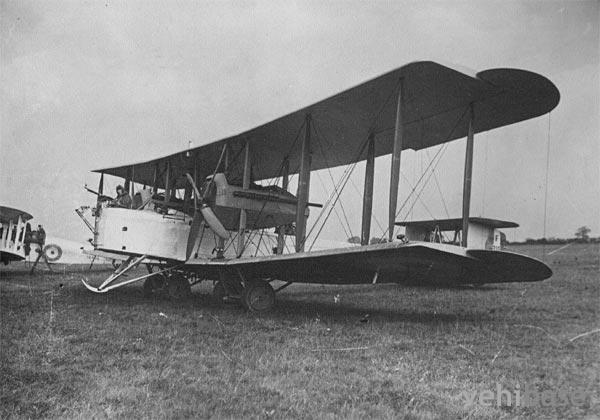
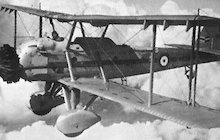
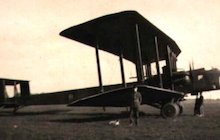
The Vickers Vimy is a British twin-engine heavy bomber and long-range aircraft that was used during and after World War I. It was designed by Vickers Limited and played a significant role in the history of aviation. The Vickers Vimy was known for its endurance and the role it played in pioneering long-distance flights, including the first successful transatlantic flight.
Featuring a twin-engine design and a crew of three, the Vickers Vimy served as a heavy bomber and long-range aircraft. It played a vital role in various missions, including bombing raids and long-distance flights. While the Vickers Vimy is no longer in active military service, it is remembered for its contributions to the early years of aviation and long-distance flight.
Key Features
Pros
Cons
Frequently Asked Questions
What were the primary roles of the Vickers Vimy aircraft during its service?
The Vickers Vimy served as a heavy bomber and long-range aircraft, and it is best known for its pioneering long-distance flights, including the first successful transatlantic flight.
Is the Vickers Vimy still in active service today?
No, the Vickers Vimy is no longer in active military service. It has been replaced by more modern aircraft in contemporary aviation.
Did the Vickers Vimy have any notable contributions to the history of aviation?
Yes, the Vickers Vimy is remembered for its significant contributions to the early years of aviation, particularly in pioneering long-distance flights and advancements in aeronautical engineering.
How many crew members were typically on board the Vickers Vimy aircraft?
The Vickers Vimy typically had a crew of three, including the pilot, co-pilot, and a rear gunner/observer.
3 members saved it
Did you know?
The Vickers Vimy is renowned for its historic transatlantic flight in 1919 when it completed the first non-stop flight from Newfoundland, Canada, to County Galway, Ireland.
It played a crucial role in advancing long-distance aviation and inspiring further developments in aviation technology.
