

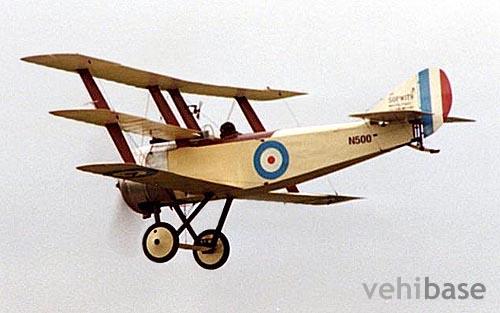
Sopwith Triplane
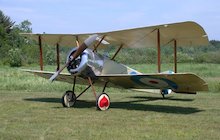
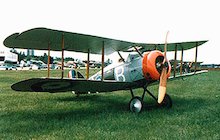
The Sopwith Triplane is a historic World War I-era fighter aircraft known for its distinctive three-wing design. It played a crucial role in early aerial combat and holds a unique place in aviation history. This agile and maneuverable aircraft provided British and Allied pilots with a competitive advantage during the war.
The Sopwith Triplane is equipped with machine guns and had an exceptional climb rate, which allowed it to engage enemy aircraft effectively. Its triplane configuration provided superior maneuverability in dogfights, making it a favorite among pilots. The aircraft's iconic design and contributions to early aviation warfare are still celebrated today.
Key Features
Pros
Cons
Frequently Asked Questions
What made the Sopwith Triplane stand out during World War I?
The Sopwith Triplane's unique three-wing design provided it with exceptional maneuverability and made it a standout performer in early aerial combat.
How many machine guns did the Sopwith Triplane typically carry?
The Sopwith Triplane was typically equipped with one or two synchronized machine guns, which were a standard armament for the era.
Is the Sopwith Triplane still in use today?
No, the Sopwith Triplane is no longer in active service and is primarily of historical significance.
What were some notable achievements of the Sopwith Triplane during World War I?
The Sopwith Triplane's notable achievements include its contribution to British and Allied air superiority and its iconic status in aviation history.
2 members saved it
Did you know?
The Sopwith Triplane's triplane design was initially viewed with skepticism but proved to be highly effective in aerial combat.
It was flown by several famous aces, including the legendary Canadian pilot, Raymond Collishaw.
