

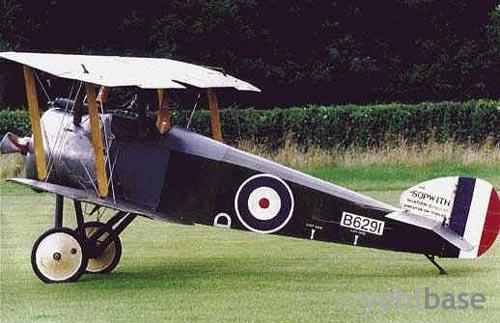
Sopwith Camel
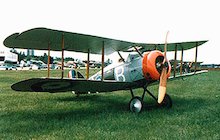
The Sopwith Camel is a famous British World War I biplane fighter aircraft. It was powered by a rotary engine, such as the Clerget 9B, and had a top speed of approximately 115 miles per hour. The Camel was designed for air combat and played a crucial role in the later years of World War I, primarily with the Royal Flying Corps (RFC) and the Royal Naval Air Service (RNAS).
The Sopwith Camel is renowned for its agility and effectiveness in air-to-air combat. It was a significant contributor to the success of British air forces during World War I and is remembered as one of the iconic aircraft of its era.
Key Features
Pros
Cons
Frequently Asked Questions
What type of engine powered the Sopwith Camel?
The Sopwith Camel was typically powered by a rotary engine, such as the Clerget 9B.
What was the top speed of the Camel?
The Sopwith Camel had a top speed of approximately 115 miles per hour, which was typical for aircraft of its era.
Is the Sopwith Camel still in use today?
No, the Sopwith Camel is no longer in active military service and is considered a historical aircraft from the World War I era.
What was the role of the Camel in World War I?
The Sopwith Camel played a crucial role in air combat and dogfighting during the later stages of World War I, contributing significantly to the success of British air forces.
3 members saved it
Did you know?
The Sopwith Camel's name derived from the hump-like fairing over the twin machine guns in front of the cockpit, resembling the hump of a camel.
It had a reputation for being a challenging aircraft to fly, especially for novice pilots, due to its powerful rotary engine and torque effect.
