

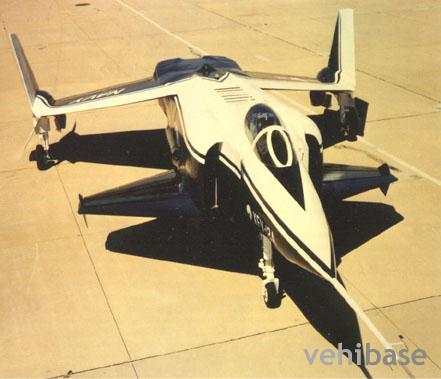
The Rockwell XFV-12 is a unique experimental vertical and short takeoff and landing (V/STOL) aircraft developed in the United States. It was designed by the Rockwell International Corporation to explore the capabilities of supersonic V/STOL aircraft. The XFV-12's distinctive feature was its swiveling engine nozzles, which allowed it to transition between conventional flight and vertical takeoff and landing modes.
The XFV-12 featured a delta-wing design and was equipped with a powerful engine that could direct thrust vertically for VTOL operations. The experimental aircraft was intended to push the boundaries of V/STOL technology and demonstrate the feasibility of supersonic vertical flight. While it never entered production or operational service, the XFV-12 played a role in advancing V/STOL aircraft design concepts.
Key Features
Pros
Cons
Frequently Asked Questions
What was the primary purpose of the Rockwell XFV-12?
The Rockwell XFV-12 was an experimental aircraft designed to explore the possibilities of supersonic vertical and short takeoff and landing (V/STOL) flight.
Did the Rockwell XFV-12 enter production or operational service?
No, the XFV-12 remained an experimental aircraft and never entered production or operational service.
What were some of the unique features of the XFV-12's design?
The XFV-12 featured a delta-wing design and swiveling engine nozzles that allowed it to transition between conventional flight and vertical takeoff and landing modes.
What was the significance of the XFV-12 in aviation history?
The XFV-12 contributed to the exploration of supersonic V/STOL technology and advanced design concepts for future V/STOL aircraft.
3 members saved it

Related planes

Reggiane Re.2000
(3) 6

Reggiane Re.2001
(1) 2

Reggiane Re.2005
(2) 4

Republic F-105 Thunderchief
(3) 5
Republic F-84 Thunderjet
(3) 3

Republic F-84F Thunderstreak
(2) 4

Republic P-43 Lancer
(3) 4
Republic P-47 Thunderbolt
(4) 5

Republic XF-91 Thunderceptor
(1) 3

Rockwell B-1 Lancer
(3) 5
Rogozarski IK-3
(2) 3
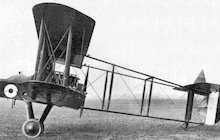
Royal Aircraft Factory F.E.2
3
Did you know?
The Rockwell XFV-12 represented an ambitious effort to combine supersonic capabilities with vertical and short takeoff and landing (V/STOL) capabilities.
While it never entered operational service, the XFV-12's experimental design influenced subsequent V/STOL aircraft development.
