

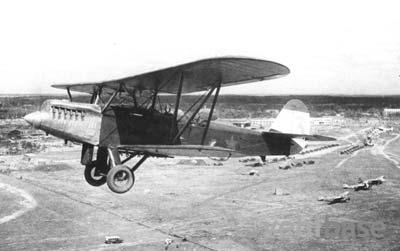
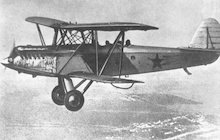
The Polikarpov R-Z is a Soviet reconnaissance and light bomber aircraft that served during the interwar period and World War II. It was designed as an evolution of the earlier Polikarpov R-5 and was used by the Soviet Air Force and several other countries. The R-Z was known for its robustness and versatility, making it an essential part of the Soviet air fleet.
The R-Z featured a biplane design and was capable of carrying bombs and various reconnaissance equipment. It was used for ground attack and reconnaissance missions and played a significant role during the early stages of World War II. While it is no longer in active service, the Polikarpov R-Z is remembered as a symbol of Soviet aviation during its time.
Key Features
Pros
Cons
Frequently Asked Questions
What were the primary roles of the Polikarpov R-Z?
The primary roles of the Polikarpov R-Z included reconnaissance and ground attack missions during the interwar period and early World War II.
Why is the Polikarpov R-Z historically significant in aviation?
The Polikarpov R-Z is historically significant due to its robust design and the role it played in early Soviet aviation during World War II.
Is the Polikarpov R-Z still in active service today?
No, the Polikarpov R-Z has been retired from active service, as more modern aircraft have replaced it to meet evolving aviation requirements.
How did the R-Z contribute to early World War II aviation?
The R-Z contributed to early World War II aviation by providing the Soviet Air Force with a reliable and versatile aircraft for reconnaissance and ground attack missions.
2 members saved it





Did you know?
The Polikarpov R-Z was derived from the earlier R-5 aircraft and incorporated various improvements for enhanced performance.
It was used not only by the Soviet Air Force but also by other countries and played a vital role in conflicts during its era.
