

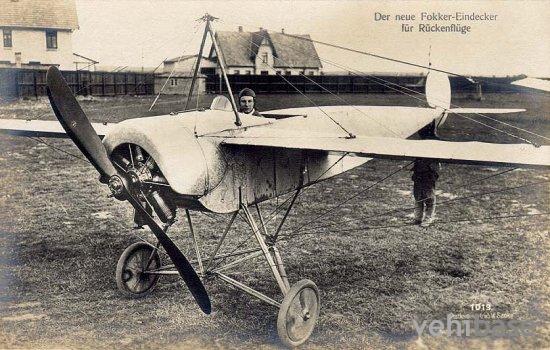
Fokker Eindecker
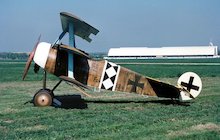
The Fokker Eindecker, known colloquially as the "Eindecker," was a historic German monoplane fighter aircraft that played a significant role during World War I. It is most famous for introducing the synchronization gear, which allowed a machine gun to fire through the propeller arc without striking the blades. This innovation gave the Eindecker a crucial advantage over its contemporaries in aerial combat.
Powered by a rotary engine, the Eindecker featured a distinctive, simple monoplane design. Its introduction marked a turning point in aerial warfare, as it enabled German pilots to achieve air superiority through synchronized machine guns. The Eindecker's success prompted countermeasures and technological advancements from Allied forces, leading to the development of interrupter gear and other innovations in aerial combat tactics.
Key Features
Pros
Cons
Frequently Asked Questions
What was the significance of the Fokker Eindecker in World War I?
The Fokker Eindecker was significant for introducing synchronization gear, enabling a machine gun to fire through the propeller arc, giving German pilots an advantage in early aerial combat during World War I.
How did the Eindecker's success prompt countermeasures from Allied forces?
The Eindecker's success prompted Allied forces to develop interrupter gear and other innovations to counter the threat of synchronized machine guns, leading to advancements in aerial combat tactics and technology.
Is the Fokker Eindecker still in active service today?
No, the Fokker Eindecker is a historical aircraft and has been retired from operational use for many years. It remains a crucial part of the history of aviation and aerial warfare.
What are some notable aspects of the Eindecker's design and technology?
The Eindecker's design featured a simple monoplane layout, and its synchronization gear represented a groundbreaking advancement in aerial combat technology during World War I.
Did you know?
The Fokker Eindecker's introduction of synchronization gear revolutionized aerial combat, temporarily giving the German Air Service a critical edge in the skies over the Western Front.
The success of the Eindecker led to rapid advancements in aerial combat technology and tactics, as Allied forces sought to counter the threat posed by synchronized machine guns.
