

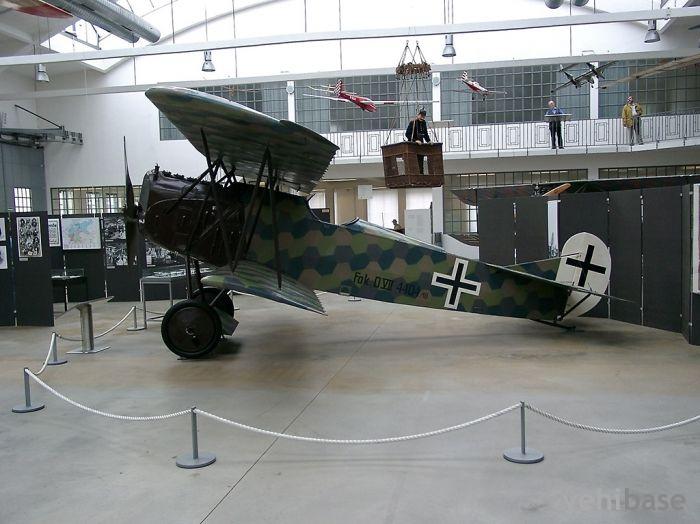
Fokker D.VII
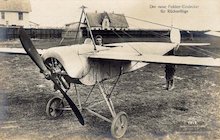
The Fokker D.VII was a German fighter aircraft that achieved significant success during World War I. Designed by Reinhold Platz for the Fokker-Flugzeugwerke, the D.VII was known for its exceptional performance, robust design, and its reputation as one of the best fighter aircraft of the war. Its introduction marked a pivotal moment in aerial combat technology.
Powered by a rotary engine, the Fokker D.VII was highly maneuverable, and it excelled in air combat due to its superior climb rate, speed, and firepower. Its ability to outperform Allied aircraft made it a prized asset for German pilots. The D.VII's impact on aerial warfare was so significant that it was among the aircraft specifically mentioned in the post-war Treaty of Versailles.
Key Features
Pros
Cons
Frequently Asked Questions
What made the Fokker D.VII stand out during World War I?
The Fokker D.VII was highly regarded for its exceptional performance, maneuverability, climb rate, speed, and firepower, making it one of the best fighter aircraft of the war.
How did the D.VII contribute to the success of German pilots during the war?
The D.VII's superior performance played a crucial role in the achievements of German pilots in air combat, giving them an advantage over Allied aircraft.
Is the Fokker D.VII still in active service today?
No, the Fokker D.VII is a historical aircraft and has been retired from operational use for many years. It remains a symbol of excellence in World War I aviation.
What are some notable aspects of the D.VII's design and technology?
The Fokker D.VII's design was celebrated for its exceptional maneuverability, climb rate, and firepower, contributing to its success in aerial combat.
Did you know?
The Fokker D.VII's impact on aerial warfare was so significant that it was specifically mentioned in the post-war Treaty of Versailles, highlighting its reputation as a formidable fighter.
The D.VII's success during World War I is a testament to its exceptional design and performance, earning it a place among the most iconic aircraft of its era.
