

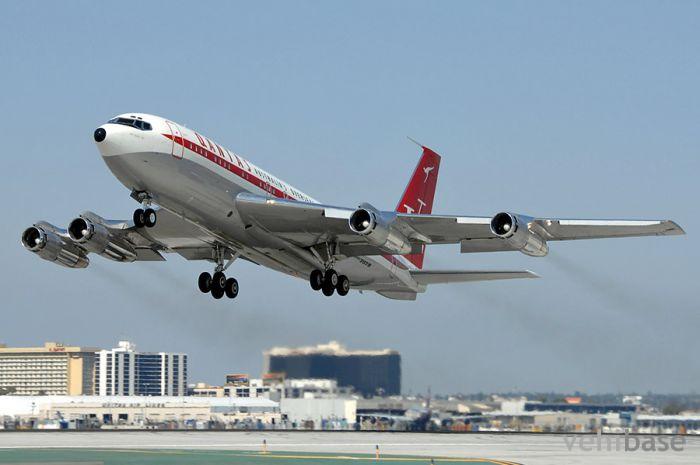
Boeing 707
The Boeing 707 is a historic commercial jetliner that played a significant role in shaping the modern era of air travel. It was powered by four turbojet engines, offering a breakthrough in speed and efficiency during its time. With a top speed of approximately 610 knots (703 miles per hour), the 707 was designed for rapid and comfortable long-haul travel.
The aircraft featured a spacious cabin, setting new standards for passenger comfort. In its typical configuration, it could seat up to 189 passengers, making it a pioneering choice for long-haul routes. The Boeing 707 was equipped with advanced avionics for its time, contributing to enhanced safety and navigation. It became a popular choice for major airlines, ushering in the era of mass international air travel.
Key Features
Pros
Cons
Frequently Asked Questions
What was the top speed of the Boeing 707?
The Boeing 707 had a top speed of approximately 610 knots (703 miles per hour), marking a significant advancement in jet travel speed during its time.
How many passengers could the 707 accommodate?
In its standard configuration, the Boeing 707 could seat up to 189 passengers, making it a pioneer in enabling mass international air travel.
When was the Boeing 707 first introduced for commercial service?
The Boeing 707 was introduced for commercial service in the late 1950s and became a game-changer in the airline industry, allowing airlines to offer faster and more comfortable long-haul travel.
Is the Boeing 707 still in commercial service today?
The Boeing 707 is no longer in commercial service, with most aircraft retired from active airline operations. It holds a place in aviation history for its pioneering role in jet travel.
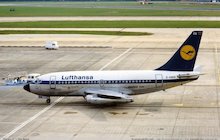
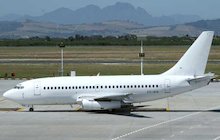
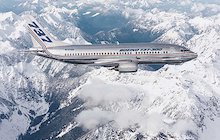
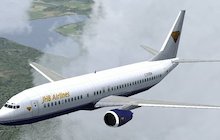
.jpg)
.jpg)
.jpg)
.jpg)
Did you know?
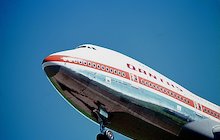
The Boeing 707 was a landmark aircraft, marking the transition from propeller-driven airliners to jet-powered travel, and it played a vital role in making air travel accessible to more people.
The 707 was used by many prominent airlines, and its introduction helped expand the global network of air routes, making long-distance travel more accessible and convenient.
