

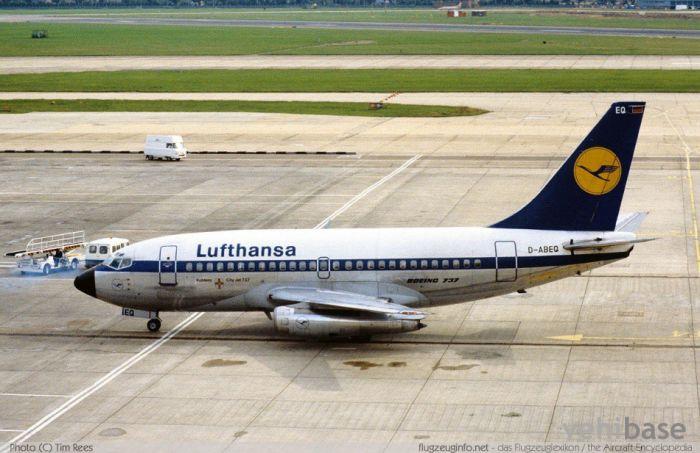
Boeing 737-100
The Boeing 737-100 is an American short- to medium-range twinjet airliner known for its efficiency and practicality. Developed in the late 1960s, it marked the inception of the Boeing 737 series and played a significant role in commercial aviation. The aircraft is typically powered by jet engines and is recognized for its robust design and short takeoff and landing (STOL) capabilities.
The 737-100 holds historical significance as the first model in the Boeing 737 family. It served as a pioneering aircraft, contributing to the growth of short to medium-haul air travel. While it has been succeeded by newer models, the 737-100 remains an iconic symbol of early jetliner aviation.
Key Features
Pros
Cons
Frequently Asked Questions
What were the primary goals of the Boeing 737-100 aircraft?
The primary goals of the Boeing 737-100 were to provide an efficient and practical twinjet airliner for short to medium-range commercial routes and transportation of passengers, marking the inception of the Boeing 737 series.
What types of aviation activities is the 737-100 primarily suited for?
The 737-100 is primarily suited for short to medium-range commercial aviation, serving as an efficient and practical aircraft for regional routes and passenger transportation.
What are some limitations of the 737-100 as a commercial airliner?
The 737-100 has limited passenger capacity compared to larger commercial jets and is primarily designed for short to medium-range commercial routes, not for long-haul or international flights.
8 members saved it


.jpg)
.jpg)
.jpg)
.jpg)
Did you know?
The Boeing 737-100 is celebrated for its pioneering role in short to medium-range commercial aviation, marking the inception of the Boeing 737 series and contributing to the growth of air travel during its era.
It reflects the importance of providing efficient and practical twinjet airliners that offer versatility and contribute to the expansion of regional air travel.
