

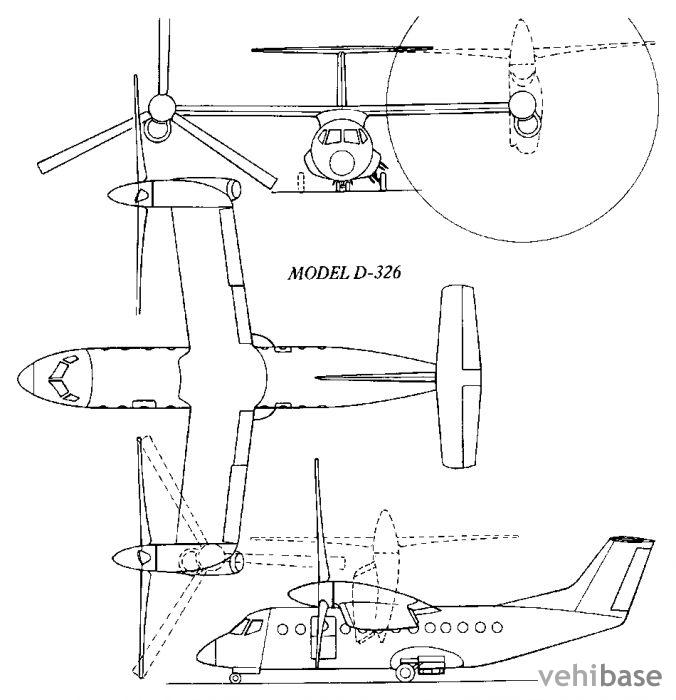
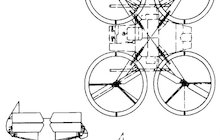
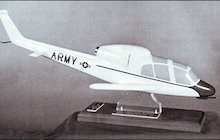
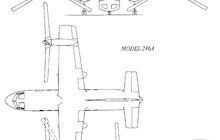
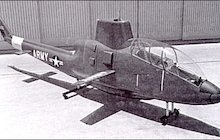
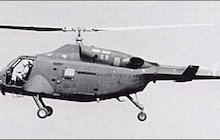
The Bell D-326 is a historic experimental helicopter developed by Bell Aircraft Corporation. It is known for its innovative and unconventional tandem-rotor design, which featured two large rotors mounted one behind the other. The D-326 played a significant role in the exploration of tandem-rotor helicopter technology and its potential applications in aviation.
This experimental helicopter featured a tandem-rotor configuration, which allowed it to achieve stability and lift by counter-rotating the rotors. The Bell D-326 contributed to the development of rotorcraft technology, particularly in the study of tandem-rotor helicopters.
Key Features
Pros
Cons
Frequently Asked Questions
What was the primary purpose of the Bell D-326 experimental helicopter?
The primary purpose of the Bell D-326 was research and development, particularly in the exploration of tandem-rotor helicopter technology.
How does the D-326's tandem-rotor design differ from conventional helicopters?
The D-326's tandem-rotor design featured two large rotors mounted one behind the other, providing unique stability and lift characteristics compared to conventional single-rotor helicopters.
Is the Bell D-326 still in active service or production?
No, the Bell D-326 is no longer in active service or production, but its legacy remains in the exploration of tandem-rotor helicopter technology.
What role did the Bell D-326 play in rotorcraft technology?
The Bell D-326 played a significant role in advancing rotorcraft technology, particularly in the study of tandem-rotor helicopters and their potential applications.
2 members saved it
Did you know?
The Bell D-326's tandem-rotor design provided unique insights into rotorcraft stability and lift, contributing to the broader understanding of helicopter technology.
While it did not enter active service, the D-326's experimental nature paved the way for future advancements in rotorcraft design.
