

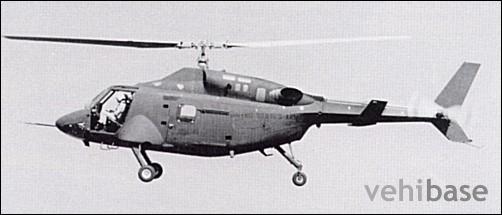
The Bell D-292 Advanced Composite Airframe Program (ACAP) is an experimental aircraft program developed by Bell Helicopter in collaboration with the United States Army. It is recognized for its innovative approach to exploring advanced materials and composite structures in aircraft design. The D-292 ACAP played a significant role in advancing composite technology in the aerospace industry.
The Bell D-292 ACAP features a design that incorporates advanced composite materials and structures, which offer several advantages, including reduced weight, improved fuel efficiency, and increased resistance to corrosion. It was a pioneering effort to harness the benefits of composite materials for military aviation. While primarily an experimental program, the D-292 ACAP contributed to the development of more efficient and advanced rotorcraft.
Key Features
Pros
Cons
Frequently Asked Questions
What is the main focus of the Bell D-292 ACAP?
The primary focus of the Bell D-292 ACAP is to explore and demonstrate the benefits of advanced composite materials and structures in aircraft design.
What advantages do advanced composite materials offer in aviation?
Advanced composite materials offer advantages such as reduced weight, improved fuel efficiency, and increased resistance to corrosion, leading to better aircraft performance and durability.
Was the Bell D-292 ACAP primarily used for military purposes?
While it was developed in collaboration with the U.S. Army, the D-292 ACAP was primarily an experimental program focused on advancing composite technology in aviation.
Is the Bell D-292 ACAP still in use today?
The D-292 ACAP is not in common use today, as its primary purpose was to explore advanced composite materials. However, its contributions to composite technology have influenced the design of modern aircraft.

Did you know?
The Bell D-292 ACAP was part of a broader effort to harness the benefits of advanced composite materials in aviation, contributing to more efficient and durable aircraft designs.
The program demonstrated the potential for composite technology to enhance aircraft performance and longevity, paving the way for future advancements in aerospace materials.
