

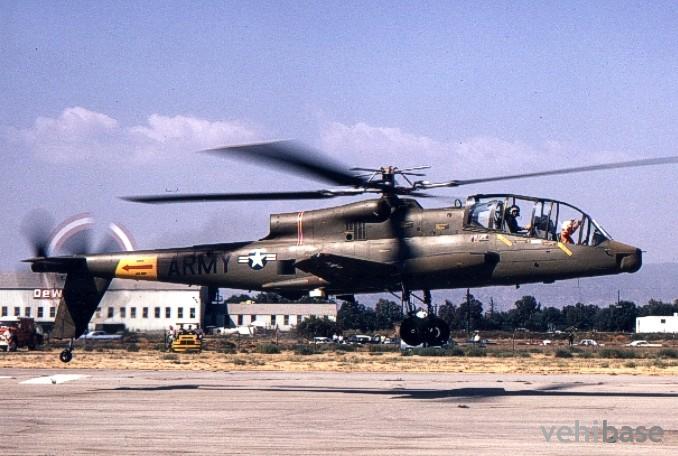
Bell 309 King Cobra
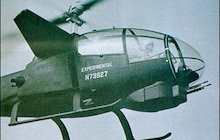
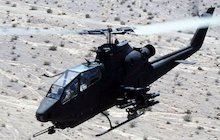
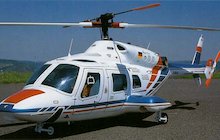
The Bell 309 King Cobra is a historic attack helicopter prototype developed by Bell Helicopter in the late 1970s. It was designed to be a successor to the Bell AH-1 Cobra and aimed to provide enhanced firepower, agility, and performance on the battlefield. The King Cobra project represented Bell's efforts to modernize and improve upon its successful line of attack helicopters.
This attack helicopter prototype featured advanced avionics, a tandem-seat cockpit, and a formidable armament including anti-tank missiles, rockets, and a chin-mounted cannon. While the Bell 309 King Cobra never entered full production and service, it played a significant role in the evolution of attack helicopter design and paved the way for future developments in rotorcraft technology.
Key Features
Pros
Cons
Frequently Asked Questions
What was the primary purpose of the Bell 309 King Cobra helicopter?
The primary purpose of the Bell 309 King Cobra was to serve as an advanced attack helicopter designed to provide enhanced firepower and agility on the battlefield.
Why did the Bell 309 King Cobra never enter full production and service?
The King Cobra project faced funding and development challenges, and the helicopter prototype did not progress to full production and service.
What kind of armament was the Bell 309 King Cobra equipped with?
The King Cobra was armed with anti-tank missiles, rockets, and a chin-mounted cannon, making it a formidable combat aircraft.
How did the Bell 309 King Cobra contribute to rotorcraft technology?
The King Cobra played a significant role in the evolution of attack helicopter technology, serving as a platform for advanced avionics and weapon systems.

Did you know?
The Bell 309 King Cobra represented Bell Helicopter's efforts to modernize and improve upon its successful line of attack helicopters, including the AH-1 Cobra.
While it did not enter service, the King Cobra's design and technology advancements influenced future attack helicopter development.
