

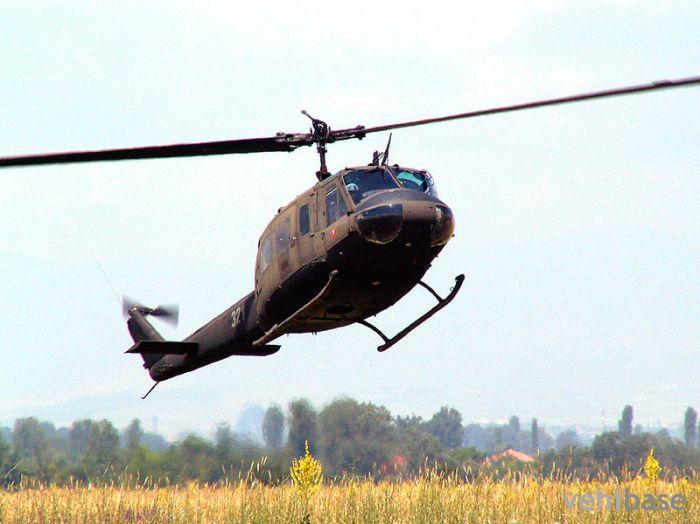
The Bell 205 is a versatile utility helicopter known for its adaptability and reliability in a wide range of missions. It is recognized for its robust construction, operational versatility, and long history of service in both military and civilian applications. The Bell 205 is designed to provide operators with a flexible and dependable platform for various tasks, including troop transport, cargo transport, search and rescue, and firefighting.
The Bell 205 features a durable airframe, powerful engines, and a spacious cabin that can accommodate troops, cargo, or medical stretchers, making it suitable for a variety of missions. It is often employed by military forces for troop transport and logistics support. Additionally, the Bell 205 has been adapted for firefighting operations, with the ability to carry water buckets or fire retardant for aerial firefighting efforts.
Key Features
Pros
Cons
Frequently Asked Questions
What is the primary role of the Bell 205 helicopter?
The primary role of the Bell 205 is to serve as a versatile utility helicopter capable of troop transport, cargo transport, search and rescue, firefighting, and various other missions.
Is the Bell 205 used primarily for military or civilian purposes?
The Bell 205 is employed in both military and civilian applications, showcasing its adaptability and versatility in various industries and missions.
What are some unique roles in which the Bell 205 has been utilized?
The Bell 205 has been adapted for firefighting operations, allowing it to carry water buckets or fire retardant for aerial firefighting efforts, demonstrating its versatility in disaster response.
Is the Bell 205 still in production today?
Production and availability of the Bell 205 may vary, as it is a helicopter model that has been in service for several decades. Some operators may still have them in service, while others may have transitioned to more modern helicopter models.
Did you know?
The Bell 205's adaptability and long history of reliable service have made it a trusted and valuable asset in various industries and missions.
Its ability to be adapted for firefighting operations highlights its role in disaster response and mitigating wildfires.
