

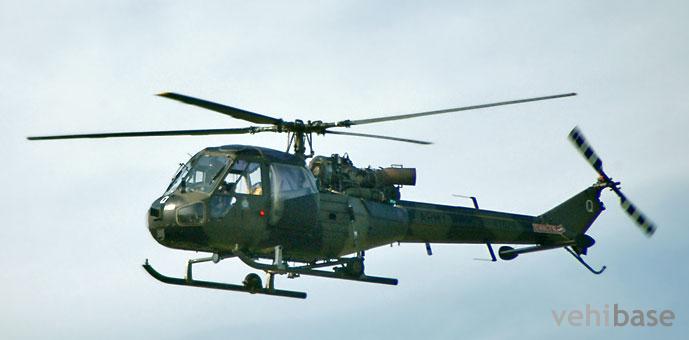
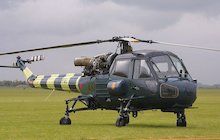
The Westland Scout is a British light helicopter that served in various roles, including observation, reconnaissance, and utility transport, primarily with the British Army and Royal Navy. It is a compact and versatile helicopter known for its reliability and adaptability in a variety of operational environments. The Westland Scout played a significant role in military aviation and served alongside the Westland Sioux in various capacities.
Featuring a lightweight design, the Scout was well-suited for tasks such as aerial observation and liaison duties. It could carry a small number of passengers or cargo, making it valuable for transporting personnel and equipment in challenging terrain. The helicopter's agility and ease of maintenance contributed to its popularity among military operators.
Key Features
Pros
Cons
Frequently Asked Questions
What were some of the primary roles of the Westland Scout helicopter?
The Westland Scout served primarily in roles such as observation, reconnaissance, and utility transport for the British Army and Royal Navy.
How many passengers or how much cargo could the Scout typically carry?
The Scout had a relatively small capacity and could carry a limited number of passengers or cargo, primarily suited for smaller transport needs.
Was the Westland Scout known for its agility in flight?
Yes, the Westland Scout was well-regarded for its agility, which made it suitable for operations in confined areas and challenging terrain.
Did the Westland Scout see combat use?
While the Westland Scout was not primarily a combat helicopter, it may have been deployed in support roles in various operational environments.


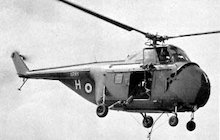
Did you know?
The Westland Scout's compact design and agility made it a valuable asset for tasks that required maneuverability and access to tight spaces.
While the Westland Scout is no longer in active military service, its legacy as a reliable and adaptable light helicopter remains notable in the history of military aviation.
