

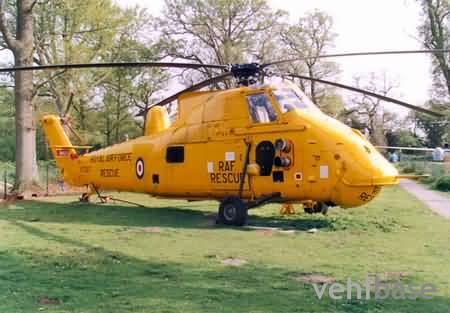
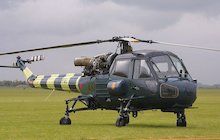
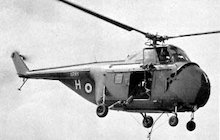
The Westland Wessex is a versatile and historic helicopter model developed and produced by the British aerospace company Westland Aircraft. Introduced in the 1950s, the Wessex served in various roles, including anti-submarine warfare (ASW), search and rescue (SAR), troop transport, and more. Its adaptability and reliability made it a key asset for both military and civilian operators. The Wessex featured a distinctive rotor configuration with a single large rotor and tail rotor, contributing to its stability and lifting capabilities.
The Westland Wessex holds a significant place in the history of rotary-wing aviation and served various missions around the world.
Key Features
Pros
Cons
Frequently Asked Questions
What were some of the primary roles of the Westland Wessex helicopter?
The Wessex served in various roles, including anti-submarine warfare (ASW), search and rescue (SAR), troop transport, and more. Its adaptability made it a valuable asset for diverse missions.
Is the Westland Wessex still in active military service today?
No, the Westland Wessex is no longer in active military service. It is considered a historic aircraft and has been replaced by more modern helicopters in various roles.
Where can I see the Westland Wessex today?
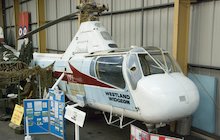
You can often find Westland Wessex helicopters on display at aviation museums, military heritage sites, and as part of private collections. They serve as historical artifacts, showcasing the evolution of rotorcraft technology.
How did the Westland Wessex contribute to anti-submarine warfare?
The Wessex's ASW capabilities, including its ability to carry torpedoes and sonar equipment, played a role in enhancing anti-submarine warfare capabilities during its operational service. It contributed to efforts to protect naval assets from submarine threats.
3 members saved it
Did you know?
The Westland Wessex had a long and varied operational history, serving with multiple military forces and civilian operators around the world.
Its stable flight characteristics and adaptability made it a reliable workhorse in diverse roles, from naval operations to civilian search and rescue missions.
