

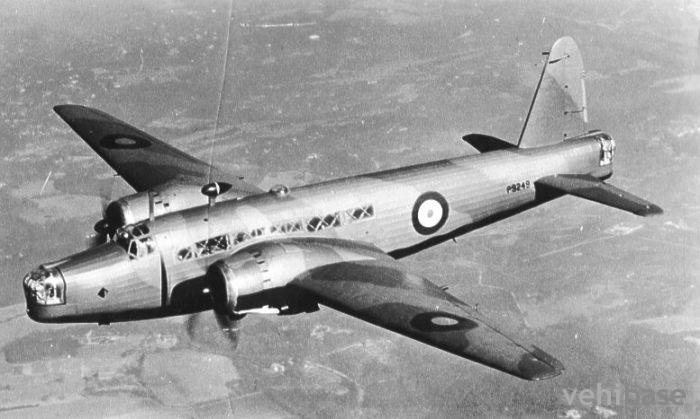
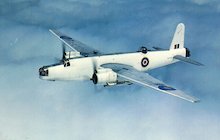
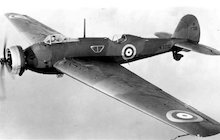
The Vickers Wellington is a twin-engine, medium bomber aircraft with a distinctive geodetic construction design. It was used during World War II and served in various roles, including bombing, reconnaissance, and anti-submarine warfare. The specific specifications may vary depending on the variant.
The Vickers Wellington played a significant role in the Royal Air Force (RAF) and other Allied air forces during World War II. It was known for its durable construction, and the geodetic design of its structure contributed to its strength and survivability.
Key Features
Pros
Cons
Frequently Asked Questions
What were the primary roles of the Vickers Wellington?
The Vickers Wellington served primarily as a medium bomber, conducting strategic and tactical bombing, reconnaissance, and anti-submarine warfare missions.
What was the significance of the geodetic construction in the Vickers Wellington?
The geodetic construction contributed to the aircraft's strength and durability, making it more resistant to damage and survivable in combat situations.
When was the Vickers Wellington in active service?
The Vickers Wellington was in active service during World War II, serving with the RAF and other Allied air forces throughout the conflict.
How did the Vickers Wellington contribute to the war effort?
The Vickers Wellington played a crucial role in conducting strategic and tactical bombing missions, especially during night operations, and contributed to the Allied war effort against Axis forces.
3 members saved it
Did you know?
The Vickers Wellington's geodetic design gave it a unique and distinctive appearance and contributed to its reputation for durability.
It was one of the RAF's mainstay bombers during World War II, participating in numerous campaigns and operations.
