

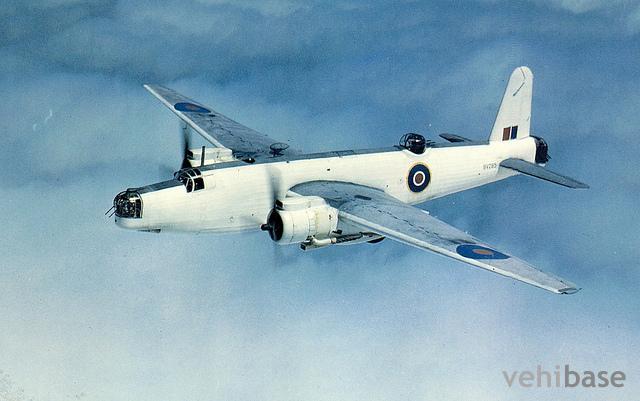
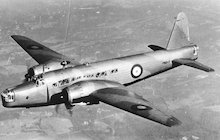
The Vickers Warwick is a British multi-purpose aircraft developed during World War II. It was primarily used for maritime patrol and transport missions. The Warwick was designed by Vickers-Armstrongs and played a role in various aspects of the war, including anti-submarine warfare and transport of troops and cargo.
The aircraft featured a twin-engine design and had a substantial cargo capacity, allowing it to carry both troops and supplies. It was also equipped with anti-submarine warfare capabilities, including depth charges. The Warwick contributed to the Allied war effort during World War II. While it is no longer in active service, it is remembered for its versatility and contributions during the war.
Key Features
Pros
Cons
Frequently Asked Questions
What were the primary roles of the Vickers Warwick during World War II?
The Vickers Warwick served in various roles, including maritime patrol, troop transport, and anti-submarine warfare, contributing to the Allied war effort.
How did the Warwick contribute to anti-submarine warfare?
The Warwick was equipped with depth charges and played a role in anti-submarine warfare efforts to protect maritime convoys.
Is the Vickers Warwick still in active service today?
No, the Vickers Warwick is no longer in active service, as more modern aircraft have replaced it to meet evolving aviation requirements.
What is the cargo capacity of the Warwick for troop and supply transport?
The Vickers Warwick had a substantial cargo capacity for transporting troops and supplies, making it a valuable transport aircraft during the war.
4 members saved it
Did you know?
The Vickers Warwick was one of several aircraft used in maritime patrol and anti-submarine warfare efforts to protect Allied convoys.
It served alongside other aircraft types, showcasing the importance of multi-purpose aircraft during World War II.
