

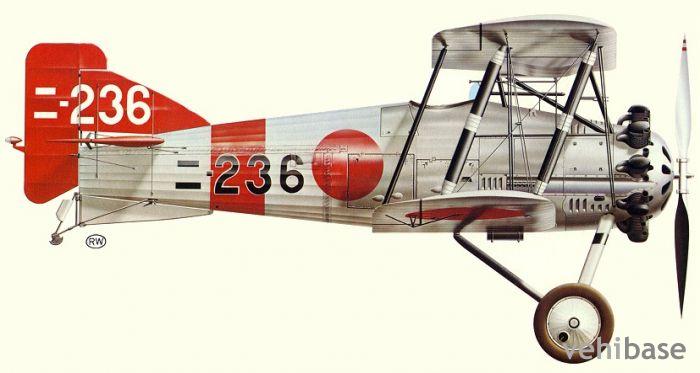
Nakajima A1N
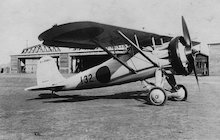
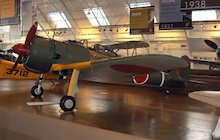
The Nakajima A1N was a Japanese carrier-based biplane fighter aircraft used during the 1930s. It was powered by a Nakajima Kotobuki radial engine, allowing it to reach a top speed of approximately 205 miles per hour. The A1N was designed for carrier operations and served as a naval fighter aircraft for the Imperial Japanese Navy (IJN) during its operational service.
The Nakajima A1N was known for its biplane design and played a role in naval aviation during the early 1930s. It represented the Japanese Navy's efforts to develop carrier-based fighter aircraft for that period.
Key Features
Pros
Cons
Frequently Asked Questions
What type of engine powered the Nakajima A1N?
The A1N was powered by a Nakajima Kotobuki radial engine, a common choice for aircraft of its era.
What was the top speed of the A1N?
The Nakajima A1N had a top speed of approximately 205 miles per hour, reflecting the technology available in the 1930s.
Is the A1N still in use today?
No, the Nakajima A1N is no longer in active military service and is considered a historical aircraft from the early days of naval aviation.


Did you know?
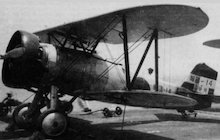
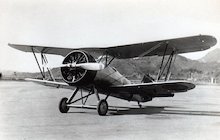
The A1N was a biplane fighter, which was a common design for carrier-based aircraft during the 1930s.
It represented an early phase in the development of Japanese carrier-based fighter aircraft and contributed to the Imperial Japanese Navy's naval aviation capabilities.
