

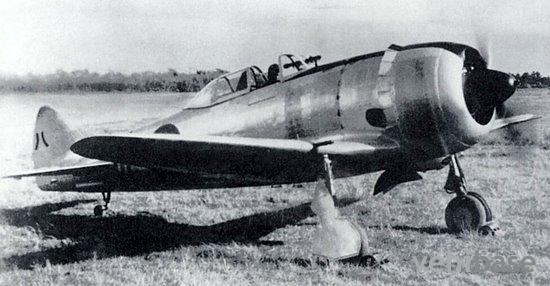
Nakajima Ki-44
The Nakajima Ki-44, also known as the "Shoki" in Japanese, is a historic Japanese fighter aircraft developed during World War II. It was designed as a response to the changing requirements for fighter aircraft and was intended to be a high-speed interceptor. The Ki-44 featured a streamlined and compact design, emphasizing speed and climb rate over firepower.
Equipped with a powerful engine and minimal armament, the Ki-44 excelled in speed and agility, making it a formidable interceptor and a challenging target for Allied aircraft. It played a role in air defense over Japanese territories and in repelling Allied bombing raids during the later years of World War II.
Key Features
Pros
Cons
Frequently Asked Questions
What was the primary role of the Nakajima Ki-44 during World War II?
The Ki-44 served as a high-speed interceptor and played a role in air defense over Japanese territories during the later years of World War II.
How did the Nakajima Ki-44 perform in terms of speed and agility?
The Ki-44 excelled in speed and climb rate, making it a challenging target for Allied aircraft and an effective interceptor.
Was the Nakajima Ki-44 used in ground attack roles?
While the Ki-44 was primarily designed as an interceptor, its minimal armament limited its effectiveness in ground attack missions.
Is the Nakajima Ki-44 still in active service today?
No, the Nakajima Ki-44 is a historical aircraft and has been retired from active service for many years, but it holds a significant place in the history of Japanese aviation.


Did you know?
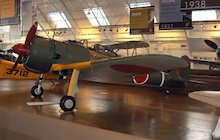
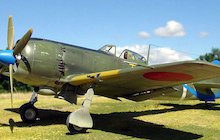
The Nakajima Ki-44 was known for its streamlined and compact design, which contributed to its agility and high-speed performance.
It was a product of Japanese efforts to adapt to changing air combat conditions during World War II.
