

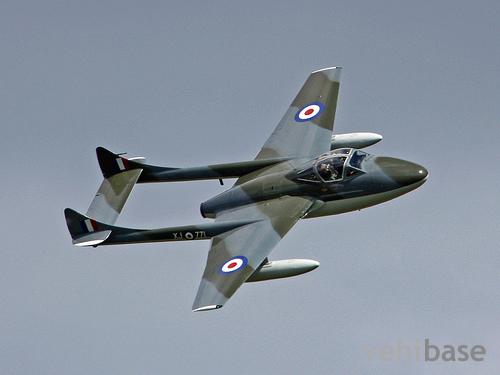
De Havilland Vampire
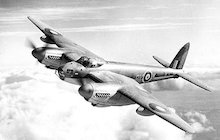
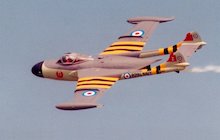
The De Havilland Vampire is a historic British jet fighter aircraft that served during the mid-20th century. It was developed by the British aerospace company De Havilland Aircraft Company and played a significant role in the post-World War II era and the early years of the Cold War.
Equipped with a jet engine, the Vampire was designed for various missions, including air superiority, ground-attack, and reconnaissance. It was one of the early jet aircraft to enter service with the Royal Air Force (RAF) and other air forces. The Vampire's performance and versatility made it a valued asset, and it played a crucial role in the transition from propeller-driven to jet-powered aviation.
Key Features
Pros
Cons
Frequently Asked Questions
What were the primary missions of the De Havilland Vampire?
The primary missions of the De Havilland Vampire included air superiority, ground-attack, and reconnaissance, reflecting its versatility.
Why is the De Havilland Vampire significant in the history of military aviation?
The De Havilland Vampire is significant for its pioneering role as one of the early jet aircraft and its contribution to the transition from propeller-driven to jet-powered aviation.
Is the De Havilland Vampire still in active service with any air force?
No, the De Havilland Vampire is no longer in active service, and available units are primarily for historical and museum purposes.
What are some of the notable features that made the De Havilland Vampire a valuable asset for military aviation?
The De Havilland Vampire was known for its performance and versatility, allowing it to adapt to various military missions during the post-World War II era.
3 members saved it
Did you know?
The De Havilland Vampire was one of the pioneering jet aircraft and contributed to the rapid advancement of military aviation technology.
It served as an important part of the RAF's and other air forces' fleet during a transformative period in aviation history.
