

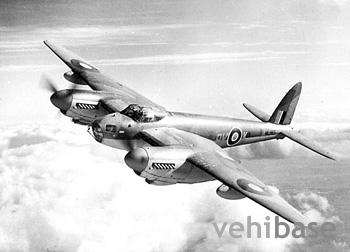
De Havilland Mosquito
The De Havilland Mosquito is a historic British multi-role aircraft known for its versatility and speed during World War II. Powered by twin piston engines, the Mosquito was a unique wooden aircraft, earning it the nickname "The Wooden Wonder." It played a vital role in various roles, including as a bomber, fighter-bomber, and reconnaissance aircraft, demonstrating its adaptability in combat.
The De Havilland Mosquito featured an innovative wooden construction and was armed with machine guns, cannons, and bombs. Its versatility and speed made it valuable in air combat, ground attack, and reconnaissance missions. The Mosquito is celebrated for its contributions to British aviation and its remarkable design.
Key Features
Pros
Cons
Frequently Asked Questions
What was the primary role of the De Havilland Mosquito during its service?
The De Havilland Mosquito served in various roles, including bomber, fighter-bomber, and reconnaissance missions, highlighting its adaptability in combat.
Is the De Havilland Mosquito still in active service today?
No, the De Havilland Mosquito is no longer in active service, as it is a historic British multi-role aircraft from World War II.
What made the De Havilland Mosquito distinctive in terms of design?
The De Havilland Mosquito had a distinctive wooden construction, which earned it the nickname "The Wooden Wonder." Its innovative design set it apart from other aircraft of its time.
How did the De Havilland Mosquito contribute to British aviation during World War II?
The De Havilland Mosquito made significant contributions to British aviation, particularly in its adaptability and remarkable design, which contributed to the success of British air operations during the war.
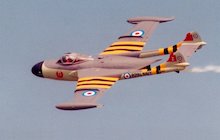
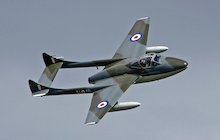
Did you know?
The De Havilland Mosquito was one of the fastest aircraft of its time and was constructed primarily of wood to conserve metal resources during the war.
Its versatility allowed it to serve in various roles, including precision bombing, night fighting, and photo-reconnaissance.
