

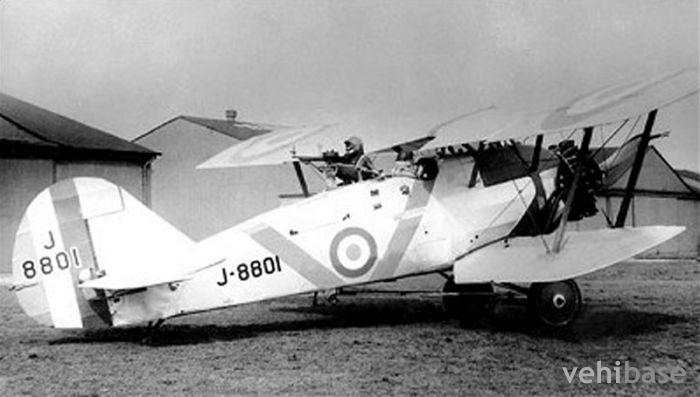
Armstrong Whitworth Atlas
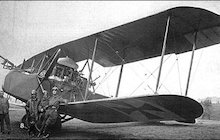
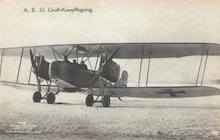
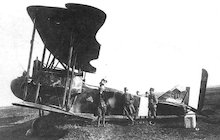
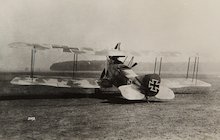
The Armstrong Whitworth Atlas is a British biplane used by the Royal Air Force during the interwar period. It was developed to meet the needs of the RAF for a versatile biplane aircraft capable of various missions, including light bombing and reconnaissance. The Atlas represents a significant chapter in the history of early British military aviation.
With its biplane configuration and relatively compact design, the Armstrong Whitworth Atlas was primarily used for light bombing and reconnaissance missions. It was known for its agility and adaptability, which made it suitable for various roles. The Atlas saw operational use in various theaters, contributing to reconnaissance and close air support efforts. However, it became outdated and faced challenges in terms of speed and protection as World War II approached.
Key Features
Pros
Cons
Frequently Asked Questions
What were the primary missions of the Armstrong Whitworth Atlas?
The primary missions of the Armstrong Whitworth Atlas included light bombing and reconnaissance during the interwar period.
What is the historical significance of the Armstrong Whitworth Atlas in military aviation?
The Armstrong Whitworth Atlas is historically significant as a versatile British biplane used for light bombing and reconnaissance by the Royal Air Force during the interwar period, contributing to early military aviation efforts.
Is the Armstrong Whitworth Atlas still in active military service with any nations?
The Armstrong Whitworth Atlas is no longer in active military service and had its operational history during the interwar period.
What is the legacy of the Armstrong Whitworth Atlas in the history of biplane aircraft and reconnaissance planes?
The Atlas serves as a historical example of a versatile biplane used in light bombing and reconnaissance roles during the interwar period, with its own set of strengths and limitations.
4 members saved it
Did you know?
The Armstrong Whitworth Atlas was part of the broader series of Armstrong Whitworth biplanes, which included various models designed for different purposes.
It played a role in reconnaissance missions and contributed to early military aviation developments during the interwar period.
