

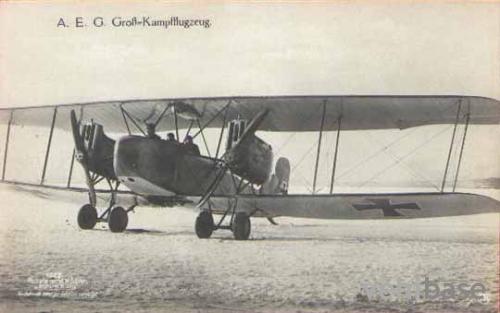
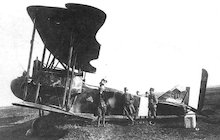
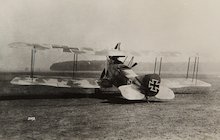
The AEG G.III is a German twin-engine biplane bomber used during World War I. It played a significant role in early bomber operations and contributed to the development of military aviation. The G.III is known for its robust design and its service in bombing missions.
With its biplane configuration and twin-engine design, the AEG G.III was primarily employed as a bomber. It typically had a crew of three, including a pilot, observer, and gunner. The G.III played a crucial role in bombing enemy positions and targets. Its historical significance and contributions to early military aviation make it an iconic aircraft of its era.
Key Features
Pros
Cons
Frequently Asked Questions
What were the primary missions of the AEG G.III?
The primary missions of the AEG G.III included bombing enemy positions and targets during World War I.
What is the historical significance of the AEG G.III in aviation history?
The AEG G.III is historically significant for its role in early bomber operations and its contributions to the development of military aviation during World War I.
What is the legacy of the AEG G.III in the history of military aviation?
The G.III is remembered for its contributions to early military aviation, serving as a bomber in the context of World War I.
4 members saved it
Related planes
Did you know?
The AEG G.III was a German bomber and played a crucial role in early aerial warfare, particularly in bombing missions.
It was among the early twin-engine bombers employed by the German military during World War I.
