

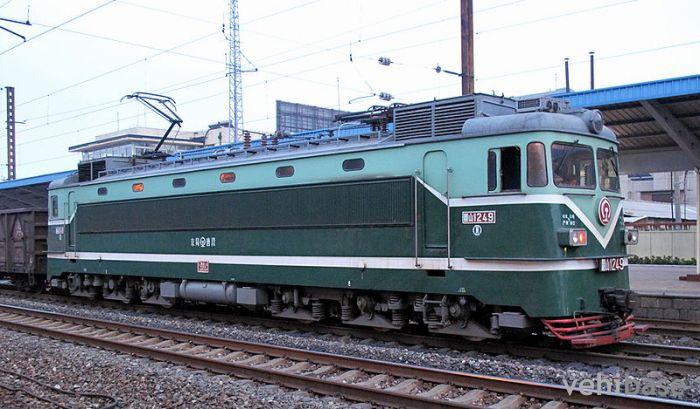
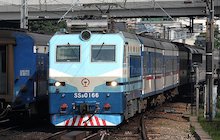
The Zhuzhou China Railways SS1, often referred to as the SS1, is a type of electric locomotive used by China Railways, the national railway operator of China. These locomotives have played a significant role in China's rail transport system, providing reliable and efficient freight and passenger transportation services across the country.
The SS1 electric locomotives are known for their sturdy construction and dependable electric traction systems. They draw power from overhead catenary wires, ensuring smooth and environmentally friendly rail operations. These locomotives are primarily used for freight services, where their high hauling capacity and efficient operation contribute to the movement of goods and cargo.
With their robust design and cargo-carrying capabilities, the SS1 electric locomotives have been vital in supporting China's economic growth, facilitating the transportation of goods, and bolstering the country's rail infrastructure.
Key Features
Pros
Cons
Frequently Asked Questions
What type of locomotive is the Zhuzhou China Railways SS1?
The Zhuzhou China Railways SS1 is an electric locomotive primarily designed for freight services.
Who operates the SS1 locomotives?
The SS1 locomotives are operated by China Railways, the national railway operator of China.
What is the primary power source for these locomotives?
The SS1 locomotives are powered by electricity from overhead catenary wires using an electric traction system.
How do these locomotives contribute to China's transportation network?
The SS1 locomotives are essential for the transportation of goods and cargo, supporting China's economic growth and the efficient movement of freight.
4 members saved it
Did you know?
The Zhuzhou China Railways SS1 electric locomotives are known for their reliability and high hauling capacity, making them ideal for freight transportation.
China has continued to invest in the electrification of rail lines to support the use of electric locomotives like the SS1, promoting cleaner and more efficient freight transport.
