

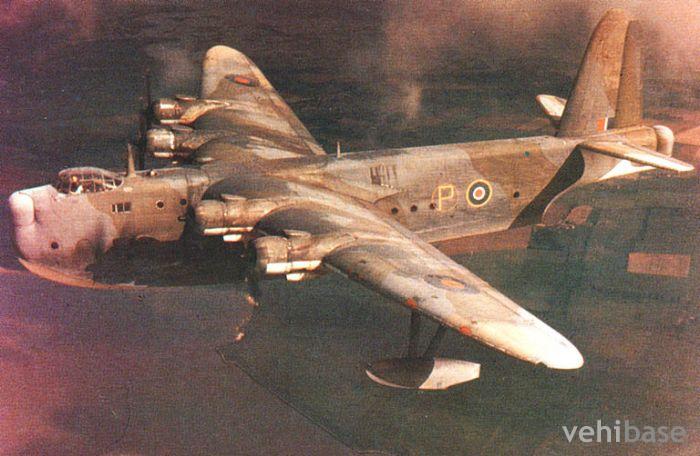
The Short Sunderland is a British flying boat that played a significant role in maritime patrol, anti-submarine warfare, and search and rescue missions during and after World War II. It was developed by Short Brothers and remained in service with several air forces for many years.
The Sunderland was known for its distinctive flying boat design, featuring a hull that allowed it to take off and land on water. It had a long operational range and was equipped with torpedoes, depth charges, and other weaponry for anti-submarine warfare. The aircraft was pivotal in protecting naval convoys and maritime assets during the war. While it is no longer in active military service, the Short Sunderland remains an iconic symbol of flying boat technology and maritime aviation.
Key Features
Pros
Cons
Frequently Asked Questions
What were the primary roles of the Short Sunderland aircraft?
The primary roles of the Short Sunderland included maritime patrol, anti-submarine warfare, and search and rescue missions.
How did the Sunderland contribute to anti-submarine warfare?
The Sunderland was equipped with torpedoes, depth charges, and other weaponry to combat enemy submarines and protect naval convoys.
Is the Short Sunderland still in active service today?
No, the Short Sunderland is no longer in active military service, as more modern maritime patrol aircraft have replaced it to meet evolving aviation requirements.
What is the distinctive feature of the Sunderland's design?
The Sunderland's distinctive feature is its flying boat design, allowing it to take off and land on water, making it ideal for maritime operations.
3 members saved it




Did you know?
The Short Sunderland was used by several air forces, including the Royal Air Force and the Royal Australian Air Force, showcasing its international significance.
It served as a symbol of flying boat technology and its role in protecting maritime assets during World War II.
