

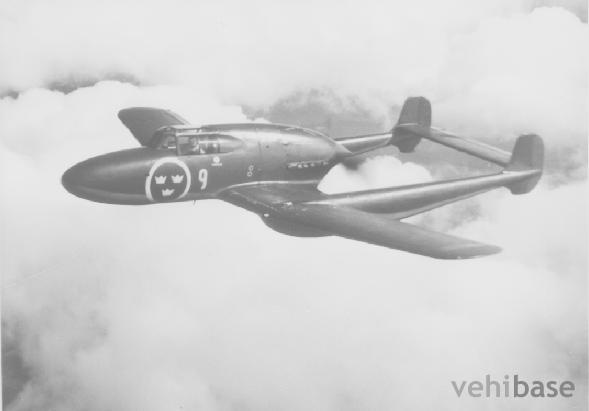
Saab 21
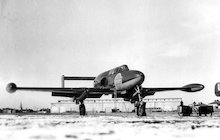
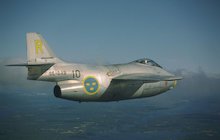
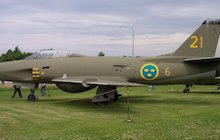
The Saab 21, also known as the "J 21," is a Swedish fighter aircraft developed in the 1940s. It was powered by a Swedish-built Pratt & Whitney R-1830 Twin Wasp engine, allowing it to reach a top speed of approximately 373 miles per hour. The Saab 21 was designed for air combat and ground-attack missions and played a significant role in the Swedish Air Force during its operational service.
The Saab 21 was known for its unique pusher-propeller design, which allowed for a powerful engine and heavy armament while keeping the cockpit forward for better visibility. It contributed to the capabilities of the Swedish Air Force and is remembered as a distinct and effective fighter aircraft.
Key Features
Pros
Cons
Frequently Asked Questions
What was the engine used in the Saab 21?
The Saab 21 was powered by a Swedish-built Pratt & Whitney R-1830 Twin Wasp engine.
What was the top speed of the Saab 21?
The Saab 21 had a top speed of approximately 373 miles per hour, which was notable for its era.
Is the Saab 21 still in use today?
No, the Saab 21 is no longer in active military service and is considered a historical aircraft in the history of the Swedish Air Force.
What was the significance of the Saab 21 in aviation history?
The Saab 21 was notable for its unique pusher-propeller design, which allowed for improved cockpit visibility and effectiveness in air combat and ground-attack missions.
3 members saved it
.jpg)
Did you know?
The Saab 21's pusher-propeller design was a distinguishing feature, providing excellent visibility for the pilot while maintaining powerful armament.
It was a part of Sweden's effort to develop capable fighter aircraft during the mid-20th century, contributing to the country's air defense capabilities.
