

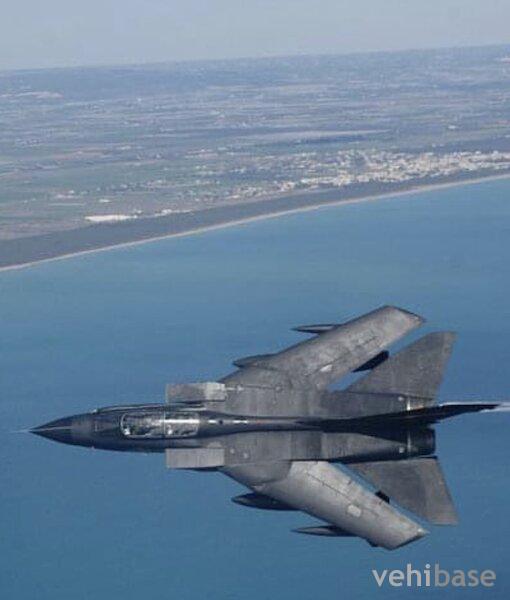
The Panavia Tornado is a multi-role combat aircraft known for its service with multiple European air forces. Designed as a variable-sweep wing aircraft, the Tornado is capable of performing a wide range of roles, including ground-attack, reconnaissance, and air defense. Its adaptability and strong performance characteristics have made it a prominent fixture in European military aviation.
The Panavia Tornado is celebrated for its versatility and its contributions to air forces across Europe. Its ability to fulfill multiple roles and adapt to changing mission requirements has solidified its place in the history of military aviation. While it has been replaced by more modern aircraft in some roles, the Tornado remains a symbol of European collaborative aviation efforts.
Key Features
Pros
Cons
Frequently Asked Questions
What roles can the Panavia Tornado perform?
The Panavia Tornado is a multi-role combat aircraft capable of performing various missions, including ground-attack, reconnaissance, and air defense.
Which air forces have used the Panavia Tornado?
The Tornado has been in service with multiple European air forces, including the Royal Air Force, the German Air Force, and the Italian Air Force, among others.
Is the Panavia Tornado still in active service?
While some Tornado aircraft have been retired or replaced by more modern aircraft in some roles, it remains in service with select air forces for specific missions.
What makes the Panavia Tornado significant in military aviation history?
The Tornado is known for its versatility, adaptability, and its contributions to European air forces. It represents a successful collaborative effort in European aviation development.
Related planes
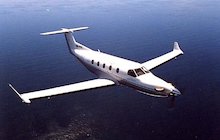
Pilatus PC-12
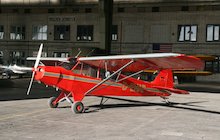
Piper PA-18 Super Cub
(3) 4
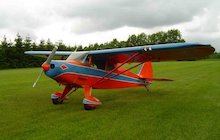
Piper PA-20 Pacer
(1) 2
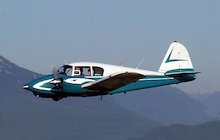
Piper PA-23 Apache
(2) 4
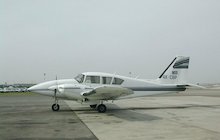
Piper PA-23 Aztec
(1) 2
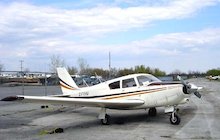
Piper PA-24 Comanche
(3) 7
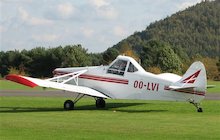
Piper PA-25 Pawnee
(2) 2
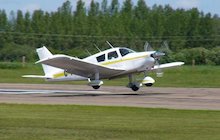
Piper PA-28 Cherokee
(3) 5
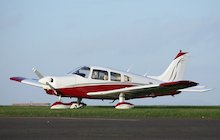
Piper PA-28 Warrior
(3) 4
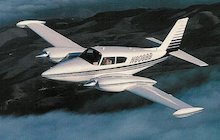
Piper PA-30 Twin Comanche
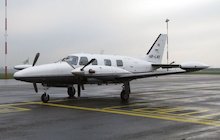
Piper PA-31 Cheyenne
(2) 4
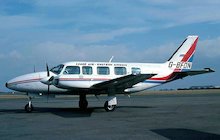
Piper PA-31 Chieftain
(2) 5
Did you know?
The Panavia Tornado was the result of a collaborative effort between several European nations, including the United Kingdom, Germany, and Italy.
It played a prominent role during the Gulf War and in various NATO missions, showcasing its versatility in combat operations.
