

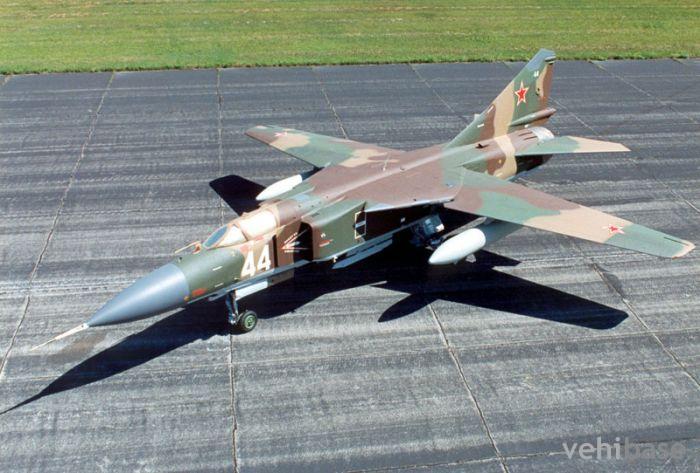
Mikoyan-Gurevich MiG-23
The Mikoyan-Gurevich MiG-23 is a Soviet single-seat variable-sweep wing fighter aircraft that was developed by the Mikoyan-Gurevich Design Bureau during the 1960s. It is known for its service in the Soviet Air Force and various other air forces around the world. The MiG-23 is celebrated for its adaptability and its role as a supersonic interceptor and ground attack aircraft.
The MiG-23 was designed to be a versatile and high-speed fighter aircraft with the capability to change the sweep of its wings, allowing for improved performance at different speeds and altitudes. It played a significant role in the Soviet Air Force and was used by various countries during the Cold War. The MiG-23 represents a chapter in the history of Soviet military aviation and international arms sales.
Key Features
Pros
Cons
Frequently Asked Questions
What are the key features of the Mikoyan-Gurevich MiG-23?
The Mikoyan-Gurevich MiG-23 is a Soviet single-seat variable-sweep wing fighter aircraft known for its adaptability and its role as a supersonic interceptor and ground attack aircraft.
What was the primary role of the MiG-23?
The primary role of the MiG-23 was to serve as a versatile and high-speed fighter aircraft with variable-sweep wings, capable of supersonic interception and ground attack.
How did the MiG-23 contribute to military aviation?
The MiG-23 played a significant role in the Soviet Air Force and was used by various international air forces during the Cold War, showcasing its adaptability and performance.
What are the limitations of the MiG-23?
The MiG-23 is no longer in active service in most air forces due to its age and operational limitations when compared to modern fighter aircraft.

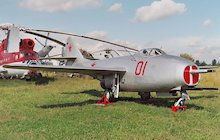
Did you know?
The Mikoyan-Gurevich MiG-23's variable-sweep wings and adaptability made it a versatile and important aircraft during the Cold War.
While retired from active service in many air forces, the MiG-23 remains an iconic representation of Soviet military aviation technology.
