

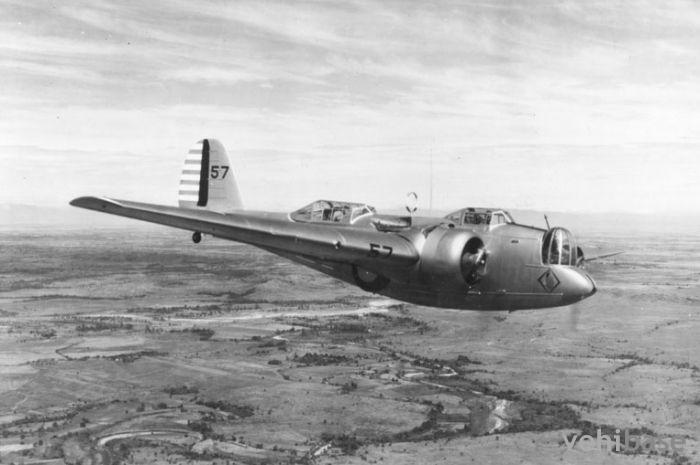
The Martin B-10 was a twin-engine monoplane bomber developed by the American company Glenn L. Martin Company in the 1930s. It was known for its innovative design and played a significant role in the development of modern military aircraft.
The Martin B-10 served in the United States Army Air Corps (USAAC) and was the world's first all-metal monoplane bomber. It introduced several advancements in aircraft design, including retractable landing gear and enclosed cockpits.
Key Features
Pros
Cons
Frequently Asked Questions
What made the Martin B-10 stand out from earlier bomber aircraft?
The Martin B-10 was the world's first all-metal monoplane bomber, which was a significant advancement in aircraft design. It also introduced innovations like retractable landing gear and enclosed cockpits.
Did the Martin B-10 see active service in the United States Army Air Corps?
Yes, the Martin B-10 served in the United States Army Air Corps and played a role in the development of modern military aviation during the interwar period.
What was the significance of the Martin B-10's design innovations?
The Martin B-10's design innovations influenced the development of future bomber aircraft, setting a standard for all-metal construction and introducing features that improved the performance and capabilities of military aircraft.
Why did the Martin B-10 eventually become outdated?
The Martin B-10 became outdated as technology advanced and more capable bomber aircraft were developed. It was succeeded by more modern and faster bombers in the lead-up to and during World War II.
2 members saved it

Did you know?
The Martin B-10 was a pioneering aircraft that significantly impacted the design and capabilities of future bomber aircraft.
Its introduction of retractable landing gear and enclosed cockpits marked a milestone in the evolution of military aviation.
