

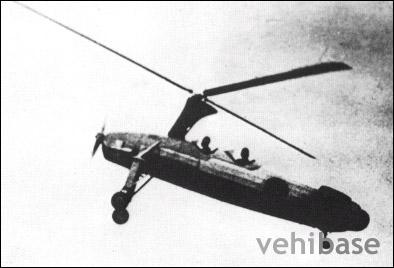
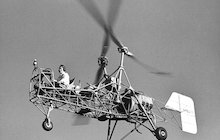
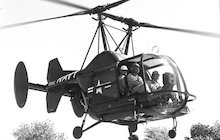
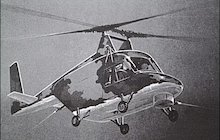
The Kayaba Ka-1 is a historic Japanese autogyro that was developed and built during the mid-20th century. It is known for its unique rotorcraft design, featuring a rotary wing that is unpowered and relies on an engine-driven propeller for thrust. The Ka-1 was primarily used for reconnaissance and training purposes and was operated by the Japanese Imperial Army during World War II.
The Kayaba Ka-1 holds a place in aviation history as one of Japan's early rotorcraft designs. While it had limited production and operational use, it played a role in the development of autogyros in Japan.
Key Features
Pros
Cons
Frequently Asked Questions
What was the primary role of the Kayaba Ka-1?
The primary role of the Kayaba Ka-1 was reconnaissance and training, and it was operated by the Japanese Imperial Army during World War II.
What is the unique feature of the Ka-1's rotorcraft design?
The Kayaba Ka-1 features an unpowered rotary wing and relies on an engine-driven propeller for thrust, showcasing early autogyro technology.
Was the Ka-1 widely used in military operations?
No, the Kayaba Ka-1 had limited production and operational use and was primarily utilized for reconnaissance and training purposes.
What is the historical significance of the Kayaba Ka-1?
The Kayaba Ka-1 holds historical significance as one of Japan's early rotorcraft designs and contributed to the development of autogyros in the country.
2 members saved it

Did you know?
The Kayaba Ka-1 was one of the first rotorcraft designs in Japan and represented an early step in the country's aviation history.
While it had limited operational use, the Ka-1 showcased innovative rotorcraft technology for its time.
