

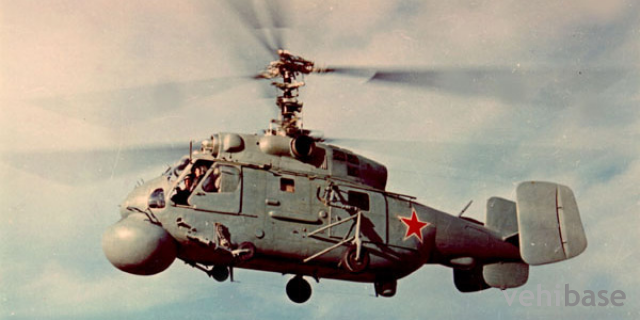
Kamov Ka-25 Hormone
The Kamov Ka-25 Hormone is a Soviet-made naval helicopter designed primarily for anti-submarine warfare (ASW) missions. It played a significant role during the Cold War and is recognized for its ASW capabilities and contributions to naval operations. The Ka-25 Hormone was a crucial asset in detecting and engaging submarines.
The Kamov Ka-25 Hormone is known for its unique coaxial rotor system, which provided it with improved stability and maneuverability, especially during naval operations. Equipped with sonar systems, torpedoes, and depth charges, it was a formidable ASW platform for its time.
Key Features
Pros
Cons
Frequently Asked Questions
What were the primary missions of the Kamov Ka-25 Hormone helicopter?
The primary missions of the Ka-25 Hormone included anti-submarine warfare (ASW) operations, with a focus on detecting and engaging submarines.
What made the Ka-25 Hormone unique in terms of design?
The Ka-25 Hormone featured a unique coaxial rotor system that enhanced its stability and maneuverability, making it well-suited for naval operations.
What ASW equipment was equipped on the Ka-25 Hormone?
The Ka-25 Hormone was equipped with sonar systems, torpedoes, and depth charges to effectively detect and engage submarines.
What role did the Hormone play during the Cold War?
The Ka-25 Hormone played a significant role during the Cold War, contributing to naval operations and enhancing submarine detection capabilities.
3 members saved it





Did you know?
The Kamov Ka-25 Hormone's coaxial rotor system contributed to its success in naval ASW operations and made it a distinctive and effective platform.
Its service during the Cold War underscores its historical significance in maritime security and submarine warfare.
