

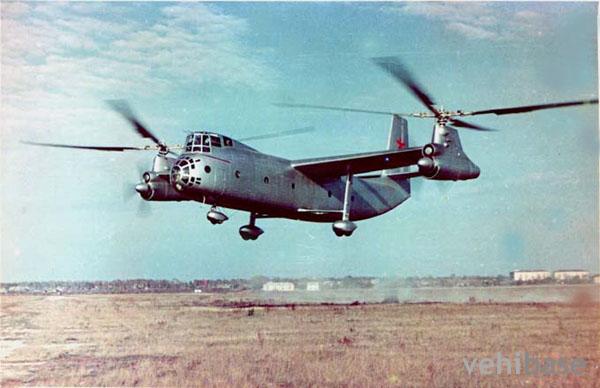
The Kamov Ka-22 Hoop is a unique Soviet-era experimental aircraft that combines the features of a helicopter and a fixed-wing airplane. It was designed to have both vertical takeoff and landing (VTOL) capabilities, like a helicopter, and the ability to fly at higher speeds in forward flight, like an airplane. The aircraft features two large counter-rotating rotors and jet engines for propulsion.
The Kamov Ka-22 Hoop was an experimental project aimed at exploring the possibilities of vertical takeoff and high-speed flight. While it never entered full-scale production, it provided valuable insights into VTOL technology and influenced the development of future aircraft with similar capabilities.
Key Features
Pros
Cons
Frequently Asked Questions
What were the primary capabilities of the Kamov Ka-22 Hoop?
The Kamov Ka-22 Hoop was designed to have both vertical takeoff and landing (VTOL) capabilities and the ability to fly at high speeds in forward flight.
Why was the Kamov Ka-22 Hoop considered an experimental aircraft?
The Kamov Ka-22 Hoop was experimental because it explored the possibilities of combining helicopter and airplane features for unique operational capabilities.
Did the Kamov Ka-22 Hoop enter full-scale production and operational service?
No, the Kamov Ka-22 Hoop never entered full-scale production or operational service. It remained an experimental project.
What impact did the Kamov Ka-22 Hoop have on aircraft development?
The Kamov Ka-22 Hoop influenced the development of future aircraft with VTOL capabilities, contributing to advancements in vertical takeoff technology.





Did you know?
The Kamov Ka-22 Hoop's design and experimental nature made it a unique aircraft that pushed the boundaries of aviation technology during its time.
While it never became an operational aircraft, it played a role in inspiring future generations of VTOL and hybrid aircraft, contributing to the ongoing exploration of innovative aviation concepts.
